Song Meaning
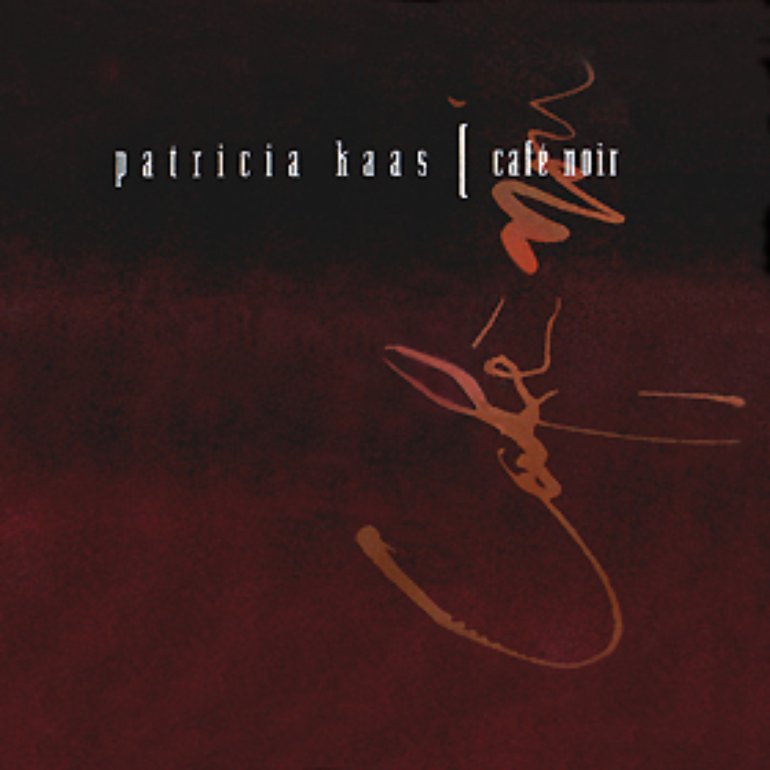
Patricia Kaas's rendition of "Black Coffee" is a masterclass in portraying the quiet desperation of loneliness and longing. The song meaning isn't just about caffeine dependence; it's a stark depiction of a woman trapped in a cycle of sleepless nights and regret, using the bitter taste of black coffee as a constant companion and a desperate attempt to fill the void left by a lover's absence. The lyrics paint a picture of utter isolation, where the protagonist's only company is the shadow on the wall and the endless pour of coffee, marking time in a 'weekday room' that knows no solace or Sunday peace. It's a powerful statement about the emotional labor often invisibly borne.
The song subtly critiques societal expectations placed upon women, particularly within the context of mid-20th-century norms. The line, 'man is born to go a lovin', a woman's born to weep and fret,' encapsulates the perceived gender roles that confine the woman to domesticity and emotional suffering while the man is free to roam. She's relegated to 'tending her oven' and drowning 'past regrets' in coffee and cigarettes, highlighting the limited options available to her and the internalized resignation to her fate. This isn't just heartbreak; it's an indictment of a system that leaves women emotionally stranded.
Ultimately, "Black Coffee" is a haunting exploration of vulnerability and the struggle to maintain hope in the face of abandonment. The repetition of 'maybe come around' underscores the fragility of her expectation, a plea whispered into the darkness. The final lines, 'Pour me black coffee / And I'll come around,' suggest a surrender to the cycle, a grim acknowledgement that the coffee, however bitter, is now inextricably linked to her very existence and her ability to even feign normalcy. It's a poignant portrait of a woman clinging to the edges of sanity, fueled by caffeine and the faintest glimmer of hope that may ultimately be self-destructive.
 View Artist