Song Meaning
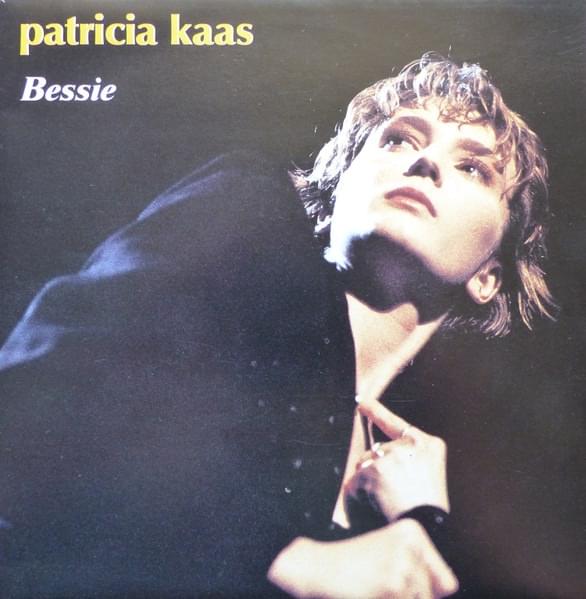
Patricia Kaas's "Bessie" is a haunting "what if," a lament for Bessie Smith filtered through the lens of racial injustice and lost potential. The track isn't just a tribute; it's a stark meditation on how systemic prejudice can steal not only a life, but also the potential for connection and artistic collaboration. The central lyrical motif, "Et si... et si... Bessie" (What if... what if... Bessie), acts as a recurring question, a persistent ache that underscores the tragedy of Smith's untimely death. Kaas uses this refrain to explore alternate realities, imagining a world where Bessie Smith's talent wouldn't be overshadowed—or outright extinguished—by the color of her skin. The lyrics subtly weave in powerful imagery, contrasting Bessie's "peau noire" (black skin) with images like "l'ébène à côté de l'ivoire" (ebony next to ivory) and "robes de moire" (moire dresses), highlighting the stark racial divides that defined Smith's era.
The song's most poignant moments arrive when Kaas envisions a possible future, one where she and Bessie could have collaborated: "Toutes les deux on aurait pu faire / Quelque chose comme un duo d'enfer" (The two of us could have made / Something like a hellish duo). This imagined duet becomes a symbol of what was lost, not just for Bessie Smith, but for the world of music and for the potential for cross-cultural understanding. The specific mention of "Madison" and "Un club dans la nuit" (a club in the night) evokes the smoky, segregated venues where Smith likely performed, further emphasizing the constraints she faced. The tragedy is compounded by the detail of Bessie's death, "blessée par un chauffard...devant un hôpital de blancs" (injured by a driver...in front of a white hospital), suggesting a denial of care rooted in racial bias.
"Bessie," therefore, transcends a simple homage. It's a powerful statement about the enduring legacy of racism and its impact on artistic expression. Patricia Kaas uses her platform to not only celebrate Bessie Smith's genius but also to mourn the opportunities and connections that were irrevocably lost due to prejudice. The song's beauty lies in its simplicity and its unflinching gaze at a painful truth, prompting listeners to consider the countless untold stories and unrealized collaborations that have been silenced by systemic inequality. The recurring "Et si..." is not just a question for the past, but a challenge for the present, urging us to create a world where talent and potential are not limited by the color of one's skin.
 View Artist