Song Meaning
The lyrics paint a picture of a society overwhelmed by its own destructive tendencies, where even civilians feel weaponized. The opening lines immediately establish a sense of pervasive violence, stating "so many billions have bullets we've become." This suggests a transformation where the populace itself is imbued with or has adopted aggressive characteristics, even as the narrator asserts their civilian status and refusal to participate in violence: "I'm a civilian just do not give me a gun." Yet, this plea is undercut by a chilling, almost reflexive threat: "Cause I'm shoot you down from the side." This paradox highlights a society where peace is fragile and aggression is normalized, even among those who claim to be non-combatants.
The central tension revolves around a palpable sense of unease and ignorance regarding external threats or societal decay. The recurring image of "Someone is knockin' on the door" coupled with the admission, "We've got so many things to hide," creates an atmosphere of paranoia and guilt. The narrator's questions, "Did you listen to the radio / Do you know what's happening outside?" imply a willful disconnection from reality, a preference for staying insulated rather than confronting uncomfortable truths. This deliberate ignorance is contrasted with the ominous presence at the door, suggesting that the outside world, or the consequences of their actions, are catching up.
The lyrics critique a consumerist culture that numbs its inhabitants to reality. The "market, the money market you can buy anything you want" is presented as a place where even negative aspects like "darkness" can be purchased, requiring one to be "hardless" – perhaps implying a lack of empathy or a hardened exterior. This commodification of experience and emotion is juxtaposed with the narrator's confusion and detachment: "I'm not sure, what's going on." The nation is presented as a consumer entity, participating in "inflation" and being "part of this nation," suggesting a collective complicity in a system that breeds anxiety and disconnect.
Ultimately, the effectiveness of these lyrics lies in their stark portrayal of societal anxiety and self-deception. The juxtaposition of civilian identity with violent impulse, the fear of the unknown knocking at the door, and the critique of a market-driven numbness combine to create a potent sense of unease. The repeated refrain about the knocking and hiding, alongside the questions about external awareness, leaves the listener with a feeling of unresolved dread, mirroring a society that is aware of its problems but paralyzed or unwilling to confront them.
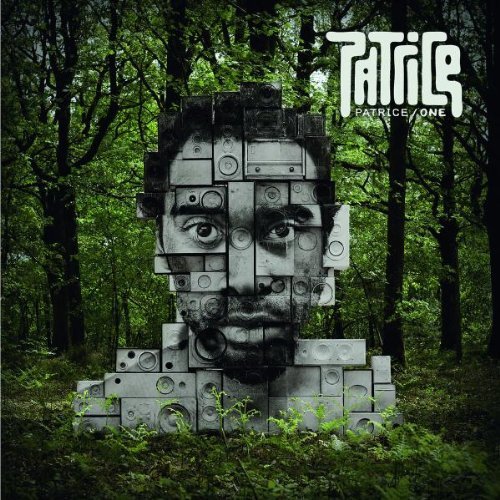
 View Artist