Song Meaning
The lyrics paint a picture of someone caught in a cycle of overthinking, where every moment of reflection feels like a theft of peace. The opening lines immediately establish a sense of temporal anxiety, with thoughts acting as "ladrões" (thieves) that pilfer precious time and tranquility. This internal struggle creates a palpable tension, a desire to pause and process life's ebb and flow, only to find that the act of thinking itself unravels any potential for peace.
The core conflict emerges from the narrator's feeling of isolation and the burden of choice. The assertion that "todo mundo está só" (everyone is alone) suggests a universal struggle with discerning what is truly good or bad, leading to a paralysis where "às vezes não quero escolher" (sometimes I don't want to choose). This indecision, this opting out of the decision-making process, is met with external judgment, with others labeling the narrator as someone "vivo de ilusão" (living in illusion).
The most striking lyrical device is the paradoxical state of "desaparecendo / Mas estou sempre lá" (disappearing / But I'm always there). This captures a profound internal disconnect, a feeling of fading away mentally or emotionally while physically remaining present. The narrator finds a fleeting escape, a way to "fujo sem sair do lugar" (flee without leaving the place), highlighting a desperate, albeit temporary, form of mental escapism from the relentless cycle of thought and indecision.
Ultimately, the effectiveness of these lyrics lies in their raw portrayal of mental fatigue and the quiet desperation of feeling misunderstood. The repeated imagery of thoughts as thieves and the internal paradox of disappearing yet remaining create a resonant emotional landscape. It’s this specific, internal battle with one's own mind, amplified by the perceived judgment of others, that makes the narrator's plight so compelling.
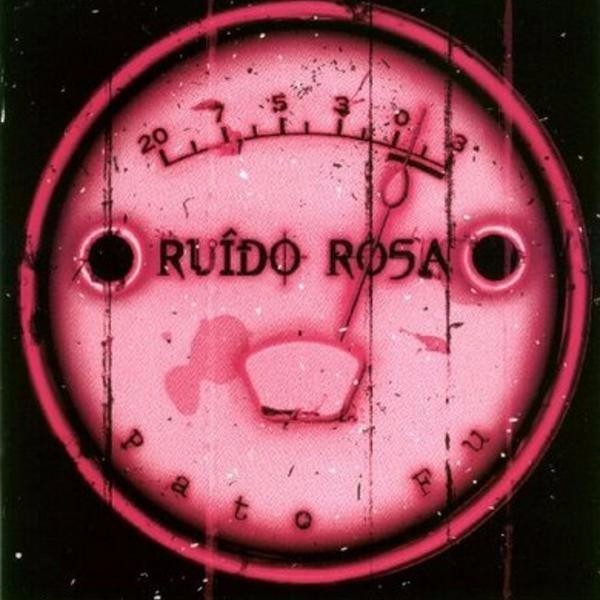
 View Artist