Song Meaning
The lyrics present a compelling argument for embracing spontaneity and breaking free from self-imposed limitations. The narrator urges the listener, characterized by traits like being 'smart,' 'strong,' 'cold,' and 'think[ing],' to deviate from their usual, perhaps overly cautious, behavior. This isn't a call for chaos, but for a deliberate, temporary shedding of perceived responsibilities or inhibitions, suggesting that true growth might lie just outside one's comfort zone. The repeated phrase 'just for once' underscores the idea of a singular, liberating act rather than a permanent change.
The central tension arises from the contrast between the listener's presumed nature and the suggested actions. If you're 'smart,' the advice is to 'do something foolish.' If you're 'strong,' you're encouraged to 'gently fall apart.' This paradox highlights a potential internal conflict where rigid adherence to one's perceived identity might be preventing a deeper experience or self-discovery. The lyrics propose that by temporarily abandoning these defining characteristics, one might unlock hidden aspects of themselves.
The most striking aspect of the craft is the direct, almost transactional advice given in the chorus. The instruction to 'kiss a man then kiss him' and 'feel reckless and giddy with delight,' contrasted with 'When you don't wanna kiss him just dismiss him,' offers a framework for navigating impulsive desires without consequence. The rhetorical question, 'What can you lose, you'll experience an interesting night,' frames these actions as low-risk experiments. This pragmatic, almost business-like approach to emotional exploration is surprisingly effective in making the idea of recklessness feel accessible and even sensible.
Ultimately, the effectiveness of these lyrics lies in their ability to reframe vulnerability and impulsivity not as weaknesses, but as pathways to self-understanding. The idea that one might 'lose your head / And you might find your heart' is a powerful, albeit slightly counterintuitive, assertion. It suggests that by letting go of rational control, one can stumble upon genuine emotional truth, making the prospect of foolishness seem less like a failure and more like a necessary step toward a richer inner life.
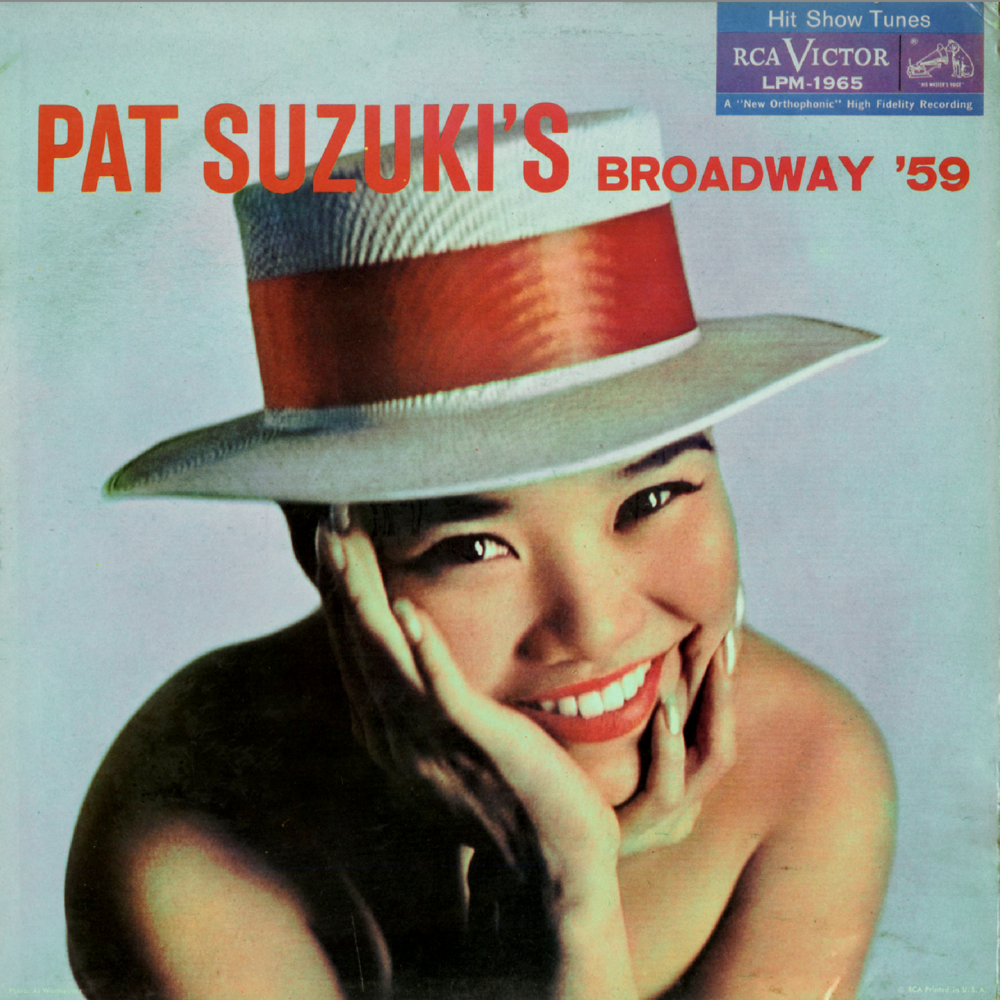
 View Artist