Song Meaning
The narrator lays bare a profound disconnect between their outward presentation and inner reality. They are the "great pretender," meticulously crafting a facade of well-being and happiness that masks deep loneliness and a sense of abandonment. This performance is not just a casual act but a desperate necessity, driven by a need so intense that it leads to "pretend[ing] too much." The core of the song lies in this stark contrast: a public display of being "laughing and gay like a clown" versus the private admission of being "lonely, but no one can tell."
The central tension arises from the pain of being left alone after playing a game, implying a relationship that has ended or soured. The narrator's shame stems from this loss, amplifying the need to maintain the pretense. The lyrics suggest a cycle where the performance itself becomes a source of further isolation, as the true self remains hidden and unacknowledged. This performance is a shield, but it also prevents genuine connection and healing.
The bridge offers a moment of raw vulnerability, where the "feeling of make-believe" becomes "too real." This paradox highlights the exhausting nature of the pretense; the act of pretending has become so ingrained that the artificiality itself feels like an inescapable truth. The narrator's heart, which they "can't conceal," is paradoxically hidden behind the very act of concealment, a poignant twist on the theme of deception.
Ultimately, the effectiveness of these lyrics lies in their direct, almost confessional tone, juxtaposed with the elaborate deception described. The image of wearing a "heart like a crown" is particularly striking, suggesting a proud display of something that is actually fragile and vulnerable, a symbol of their reign as the "great pretender." This carefully constructed persona, meant to hide pain, ironically becomes the very thing that defines their existence in the eyes of others.
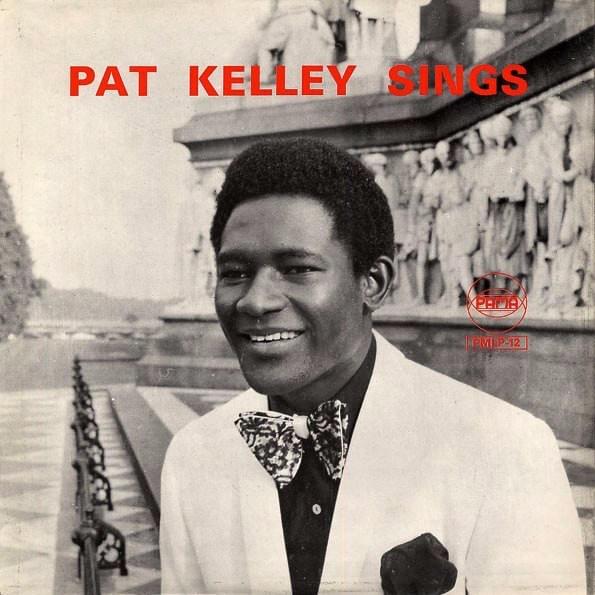
 View Artist