Song Meaning
The lyrics paint a picture of Bethlehem as a town of profound stillness, a place where the world seems to hold its breath. The opening lines establish a scene of deep, dreamless sleep, punctuated only by the silent passage of stars. This quietude, however, is immediately contrasted with the "everlasting light" that shines in the dark streets, suggesting a hidden, potent significance beneath the surface calm. The narrator emphasizes that this single night is a convergence point, where "hopes and fears of all the years are met."
The central tension lies between the external peace of the sleeping town and the immense spiritual event unfolding within it. While the mortal world is lost in slumber, celestial beings are awake, proclaiming a "holy birth" and singing praises. This contrast highlights the divine nature of the event, occurring in a moment of profound earthly quietude, observed and celebrated by heavenly hosts. The lyrics suggest a moment where the mundane and the miraculous intersect.
The most striking craft element is the direct address to the "holy Child of Bethlehem." The narrator shifts from observing the scene to making a fervent plea for the divine to manifest personally: "Cast out our sin and enter in be born in us today." This personalizes the grand narrative of the Nativity, transforming it into an intimate request for spiritual renewal. The repetition of "us" and the plea for the Child to "abide with us" underscore a desire for an ongoing, internal presence of the divine.
This song's enduring power comes from its ability to capture both the serene beauty of a quiet night and the overwhelming significance of a divine arrival. By juxtaposing the deep sleep of the town with the "everlasting light" and the "wondering love" of angels, the lyrics create a profound sense of awe. The final verses transform this observation into a deeply personal prayer, making the listener feel invited to experience the "great glad tidings" not just as a historical event, but as a present reality.
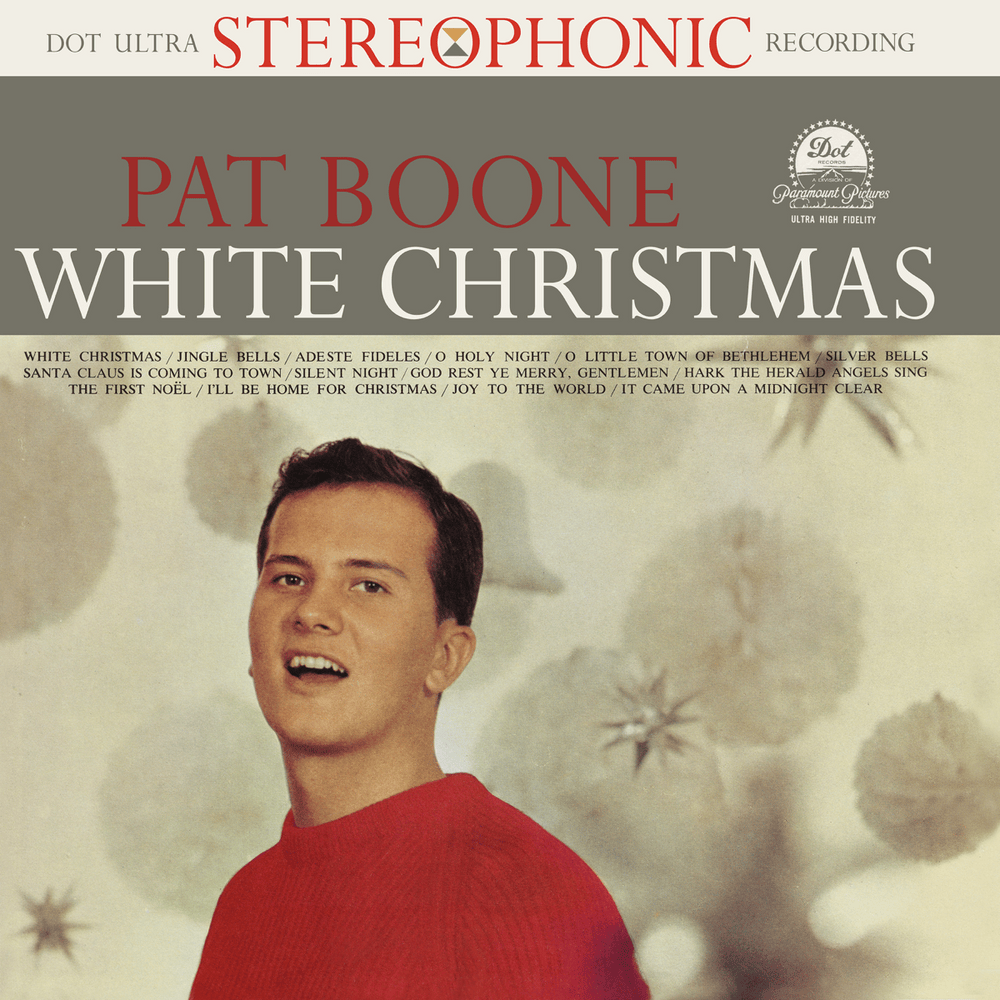
 View Artist