Song Meaning
Pat Benatar's "Suburban King" isn't a fist-pumping anthem of middle-class pride. It's a stark, unflinching portrait of its slow, agonizing collapse. The lyrics paint a picture of a man, once perhaps a proud provider, now rendered inert by economic forces beyond his control. The opening lines are brutal in their mundanity: the wife's nagging cough, a grim reminder of hardship, the husband's desperate attempt to bury himself under the pillow, a futile act of escapism from the reality of unemployment. The repeated phrase "Suburban King," once emblazoned on his van, becomes bitterly ironic, a hollow echo of a bygone era of perceived stability. The van itself, likely a symbol of freedom and family adventures, now stands as a monument to broken promises.
The song's potency lies in its understated rage. There's no grandstanding, no histrionics, just a steady accumulation of details that reveal the systematic dismantling of the American dream. The union man's empty promises, the company's callous relocation to Taiwan, the decimated pension plan – these are the instruments of destruction, wielded by forces indifferent to individual lives. The lyrics don't explicitly preach about economic inequality, but they embody its devastating consequences. The man's reliance on the pension, his faith in the union, highlight a system that was supposed to protect him but ultimately failed.
Ultimately, "Suburban King" is a lament for lost dignity. The image of the "Suburban King" is revealed to be a paper crown on a man who is now stripped of his purpose and power. The final line, "Your American dream didn't mean a thing," is not just a statement of fact, but a devastating indictment of a system that values profit over people. The song resonates because it taps into a deep-seated fear of economic precarity, a fear that haunts the American psyche, particularly in times of industrial change and globalization. The simplicity of the lyrics amplifies the song's message, ensuring that the listener cannot ignore the brutal reality of the character's fall from grace.
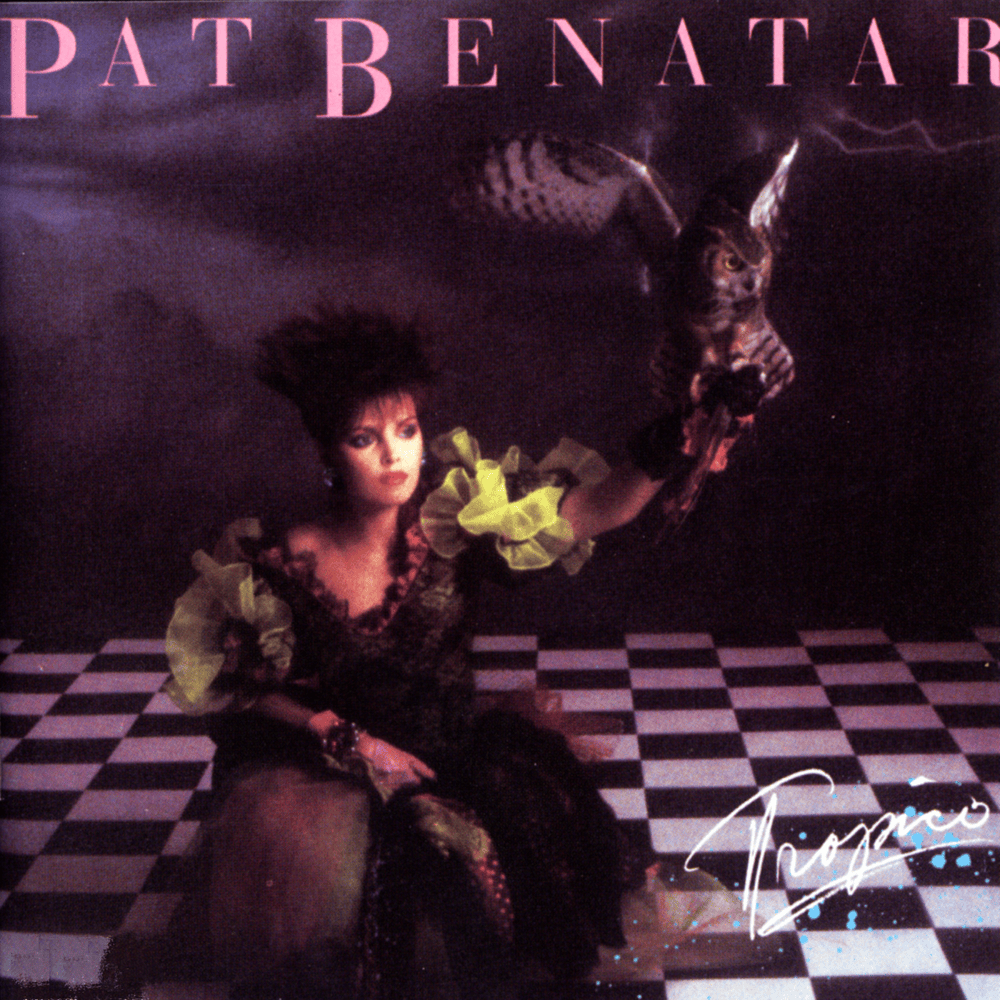
 View Artist