Song Meaning
The lyrics paint a picture of intense longing and anticipation, centered around a desire for something good, referred to repeatedly as "dámela ya" (give it to me now). The narrator frames this desire through metaphors of thirst and intoxication, suggesting a deep, almost desperate need for fulfillment. The repeated pleas, "Si es buena, dámela ya" (If it's good, give it to me now), underscore a conditional urgency, implying that the quality of what is offered is paramount to satisfying this craving.
The central tension lies in this urgent yet conditional plea. The narrator is actively seeking something pleasurable, likening the experience to drinking good water or being kissed, but also to being intoxicated and dizzy. This creates a push-and-pull: the desire is immediate and strong, yet it hinges on the perceived goodness of the offering. The phrase "que me mareas" (you make me dizzy) further amplifies this, suggesting the anticipation itself is disorienting and overwhelming.
A striking element is the juxtaposition of intimate desire with a grander, almost regal setting. Mentions of "jardines de palacio" (palace gardens) and the specific name "Hasan" introduce an exotic, perhaps opulent backdrop to this personal yearning. This contrast elevates the narrator's desire beyond a simple personal want, hinting at a pursuit of something exquisite or perhaps even forbidden within a luxurious, almost mythical space.
Ultimately, the lyrics resonate because they capture a universal feeling of wanting something intensely, of being on the precipice of pleasure or satisfaction. The insistent repetition of "dámela ya" combined with the sensory language – the sound of the river, the taste of water, the kiss, the dizziness – creates a palpable sense of yearning that feels both immediate and deeply felt.
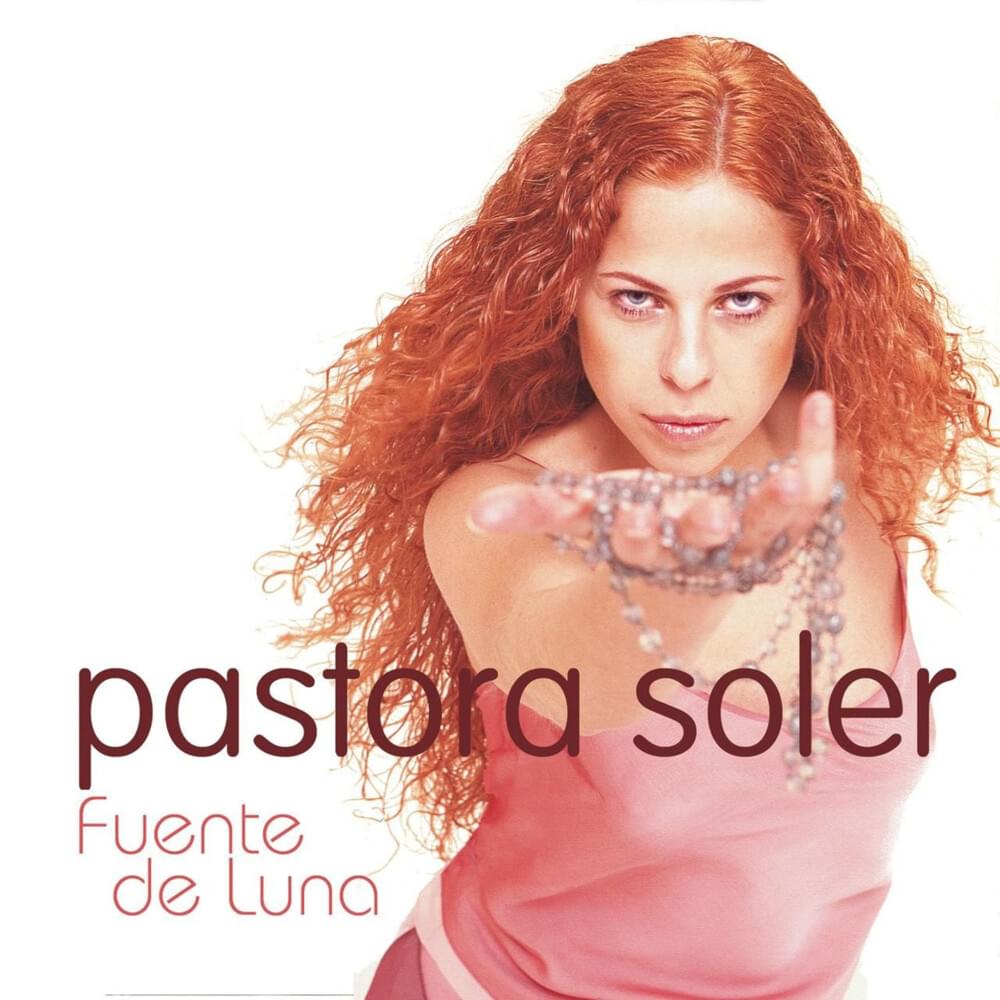
 View Artist