Song Meaning
The lyrics paint a picture of overwhelming sensory input and emotional turmoil, framed by a disorienting passage of time. The opening lines, marked by numbers like '7, la Luna en el poniente' and '8, fué un viaje peligroso,' establish a surreal, almost dreamlike atmosphere. This is immediately juxtaposed with intense personal feelings, as the narrator describes being 'asfixiado como un pez' and a heart that 'ya no es tan valiente.' The core tension lies in this contrast between external chaos and internal vulnerability.
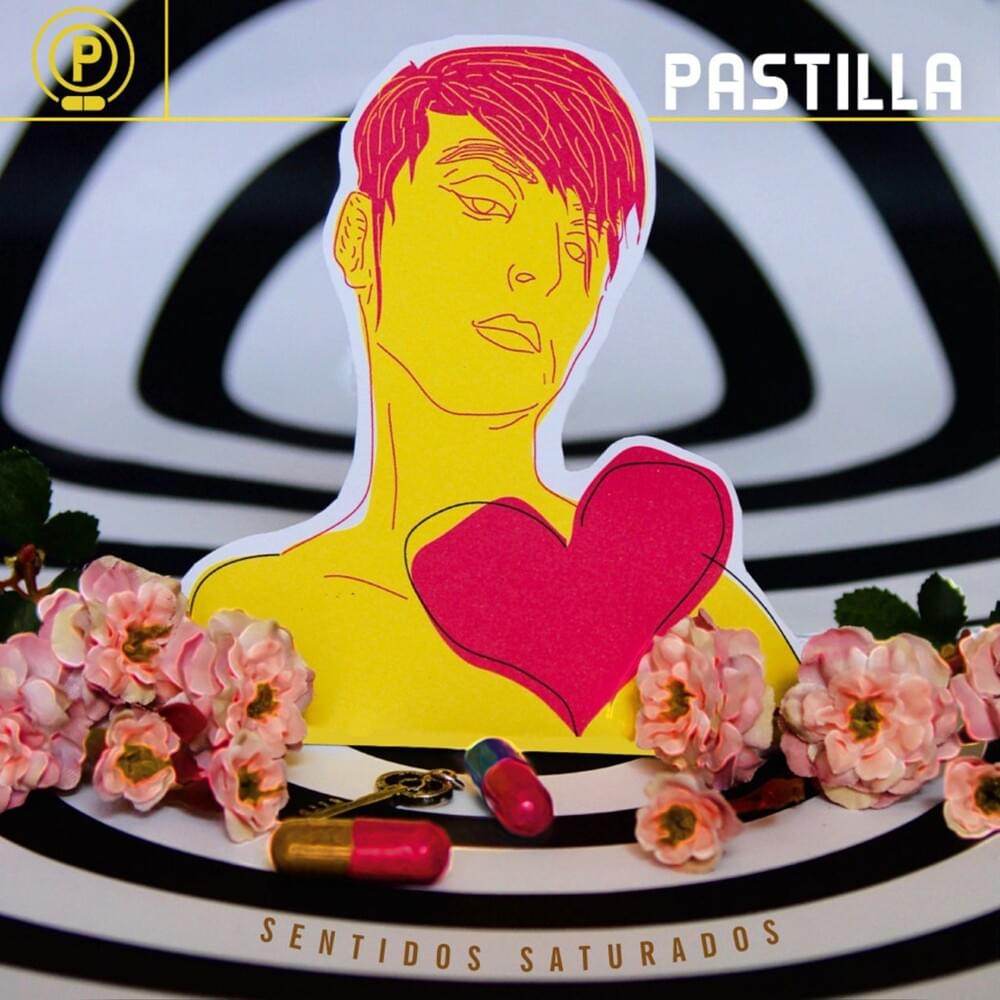
The phrase 'Sentidos saturados' acts as the central thesis, describing a state where perception is overloaded. This saturation, however, is paradoxically linked to a specific, disarming image: 'tu sonrisa / Que me hace perder la razón.' This suggests that the overwhelming feeling isn't entirely negative; it's a powerful, perhaps even destructive, attraction. The lyrics hint at a struggle to maintain control amidst this intense emotional and sensory experience.
The numbered sequence, starting from 7 and jumping around, creates a fragmented sense of time, enhancing the feeling of disorientation. The repetition of 'El corazón / Ya no es tan valiente' reinforces the narrator's internal conflict and a sense of waning courage. The shift to English with 'You can trying it's ok' introduces a brief moment of external reassurance or perhaps a self-soothing attempt, but it doesn't resolve the underlying emotional saturation.
Ultimately, the effectiveness of these lyrics stems from their raw portrayal of being overwhelmed. The specific, vivid images like 'ojos son de nieve' and the central paradox of a smile causing a loss of reason create a potent emotional landscape. The fragmented structure and sensory overload mirror the internal state of the narrator, making the experience feel immediate and visceral for the listener.
 View Artist