Song Meaning
The lyrics paint a picture of someone grappling with intense, almost inexplicable emotions, particularly love. The opening lines "I don't know how and I don't know why" establish a sense of bewilderment, a feeling that life's most potent experiences defy logical explanation. This confusion is mirrored in the contradictory "feel like laughing but you start to cry," suggesting an overwhelming emotional state that can't be neatly categorized. The narrator acknowledges a lack of material possessions, stating "I don't have many and I don't have much," yet finds sufficiency in a profound connection, recognizing "those eyes and I know that touch."
The central tension arises from this paradox: a profound emotional richness despite material scarcity. The repeated, emphatic declaration "Oh darling my heart's on fire / For you" serves as the undeniable core of the song, a raw expression of passionate love that transcends the narrator's uncertainty about its origins or future. This fiery declaration is juxtaposed with a hopeful, almost fated, belief in a future reunion: "I know we'll be lovers again / I'll see you someday before the end." The narrator's conviction about this future connection is as strong as their confusion about the present.
A striking element is the narrator's commentary on "love songs." The insistent repetition of "You know those love songs will break your heart" introduces a meta-level awareness. It suggests that while the narrator's own heart is ablaze with love, they understand the potential for pain inherent in such intense feelings, perhaps hinting at past heartbreak or a realistic acknowledgment of love's inherent risks. This contrasts sharply with the pure, unadulterated passion expressed in the "heart's on fire" refrain, creating a complex emotional landscape where intense joy and a sober understanding of potential sorrow coexist.
Ultimately, the effectiveness of these lyrics lies in their raw, unvarnished emotional honesty and the compelling contrast between confusion and certainty. The simple, direct language, coupled with the powerful, repeated imagery of a "heart's on fire," creates an immediate and visceral impact. The narrator's admission of not knowing "how" or "why" makes the overwhelming feeling of love feel more authentic and less like a manufactured sentiment, resonating with anyone who has experienced an emotion so powerful it defies understanding.
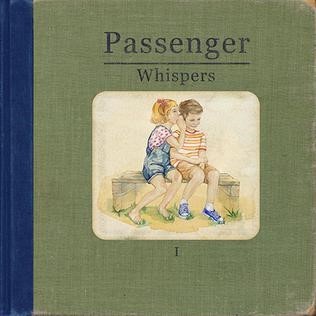
 View Artist