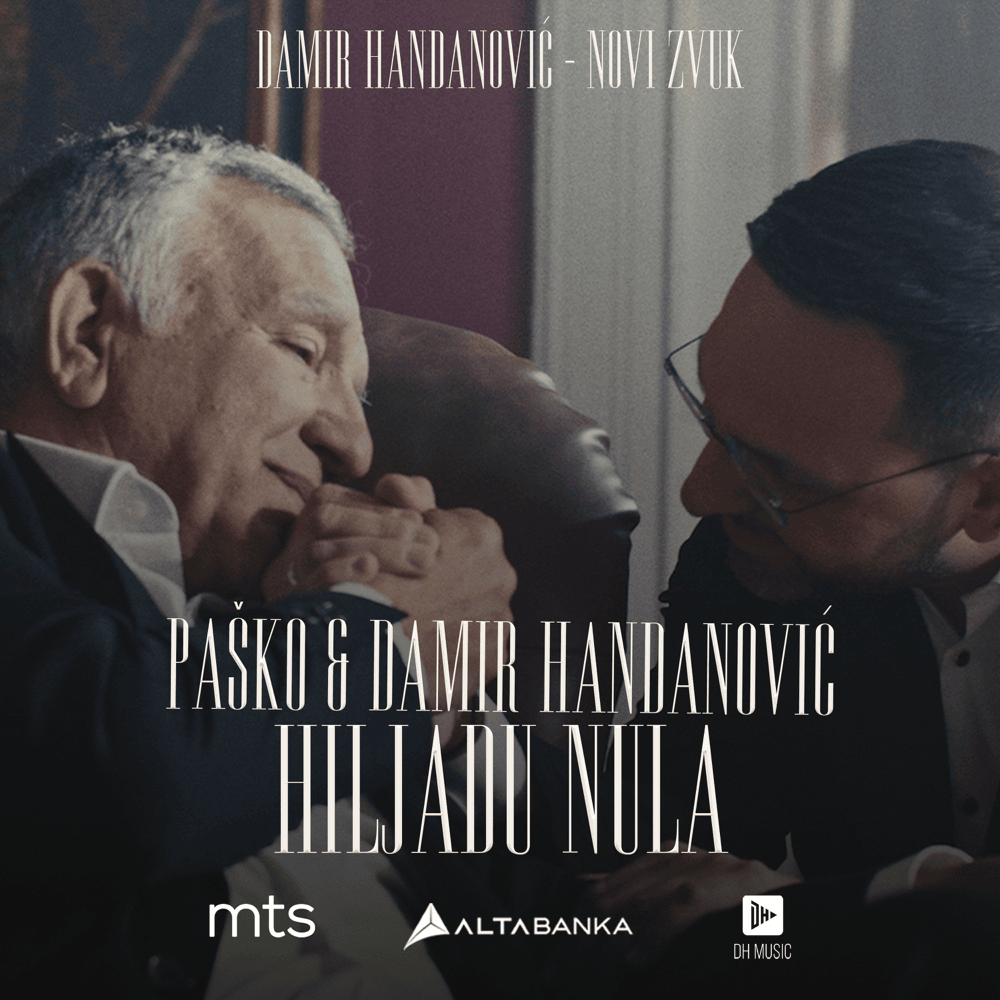
Song Meaning
The lyrics paint a picture of a narrator grappling with a desire to save the world and bring happiness, contrasted with a deep personal struggle and the acknowledgment of a significant role model. There's a sense of inherited burdens and a commitment to follow a difficult path, even at great personal cost. The narrator sees their role model's fear and resolves to walk the same road, "makar me ubilo" – even if it kills me. This sets up a powerful emotional tension between grand aspirations and personal sacrifice.
The core of the song lies in the repeated refrain, "Ja od hiljadu nula" (I from a thousand zeros). This phrase is deeply evocative, suggesting a person who feels insignificant, starting from nothing, yet determined to build a life. The narrator "sastavljam i nastavljam" (put together and continue) their life, emphasizing resilience. The act of "štedim jednu za crne dane" (saving one for dark days) reveals a pragmatic, almost desperate foresight, preparing for a future where even their current meager existence might dwindle to nothingness – "kad i od mene samo nula ostane" (when only zero remains of me).
A striking element is the shift in address within the refrains, moving from "sine moj" (my son) to "oče moj" (my father). This suggests a complex, possibly cyclical relationship where the narrator is both a parent figure and a child, addressing someone who is both an inspiration and a source of fear. The narrator asks the addressed person not to listen when they curse, framing that anger as their own burden, and instead to offer healing laughter. The plea, "Ne plači, stari, jednom ćeš me shvatiti" (Don't cry, old man, someday you'll understand me), further underscores a profound, perhaps generational, misunderstanding and a yearning for eventual comprehension.
This lyrical construction is effective because it grounds grand, almost heroic, ambitions in a raw, vulnerable self-assessment. The contrast between wanting to save the world and feeling like a "thousand zeros" creates a compelling human drama. The repeated, almost mantra-like refrain, coupled with the intimate, yet fraught, familial addresses, makes the struggle for survival and meaning feel both deeply personal and universally resonant. The writing captures the feeling of carrying heavy expectations while trying to forge one's own path, even when that path seems destined for oblivion.