Song Meaning
The lyrics paint a poignant picture of clinging to a past ideal, a person or memory, that the narrator desperately wants to remain unchanged. The opening lines establish a sense of time passing, with days changing and childhood playthings left behind. Yet, a central refrain emerges: "But you can never change." This repetition underscores a powerful desire to freeze a moment, to preserve something that is inherently fleeting.
The core tension lies in the narrator's plea for someone to stay exactly as they were when first encountered. The lines "Be just like the one / I got to see" and "Be a memory of my youth" reveal a deep-seated need to hold onto a specific version of this person, not for who they are now, but for what they represent – a connection to the narrator's own lost youth. The narrator seems to believe that if this person remains static, their own past can be recaptured.
The most striking craft element is the stark contrast between the inevitability of change and the narrator's unwavering demand for stasis. Phrases like "Years go by" and "if time changes" acknowledge the passage of time and the fading of dreams. However, this is immediately countered by the insistent "But you can never change." The lyrics also play with the idea of time versus magic, suggesting that while time erodes, this particular memory or person holds a special, unchanging enchantment for the narrator.
This insistence on an unchanging past is what makes the lyrics so emotionally resonant. It taps into a universal human longing to recapture lost youth and to find solace in the familiar, even when reality dictates otherwise. The repeated plea, "You can never change," functions as a desperate incantation against the relentless march of time, highlighting the bittersweet ache of memory and the impossibility of truly holding onto what has gone.
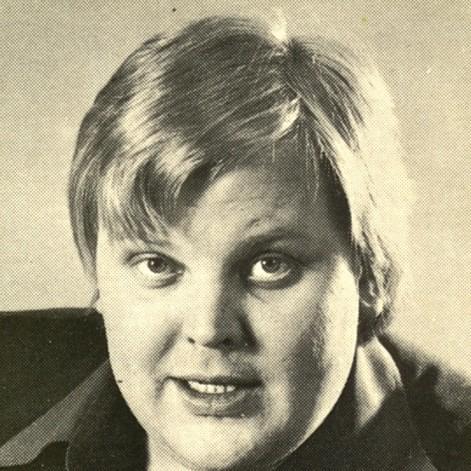
 View Artist