Song Meaning
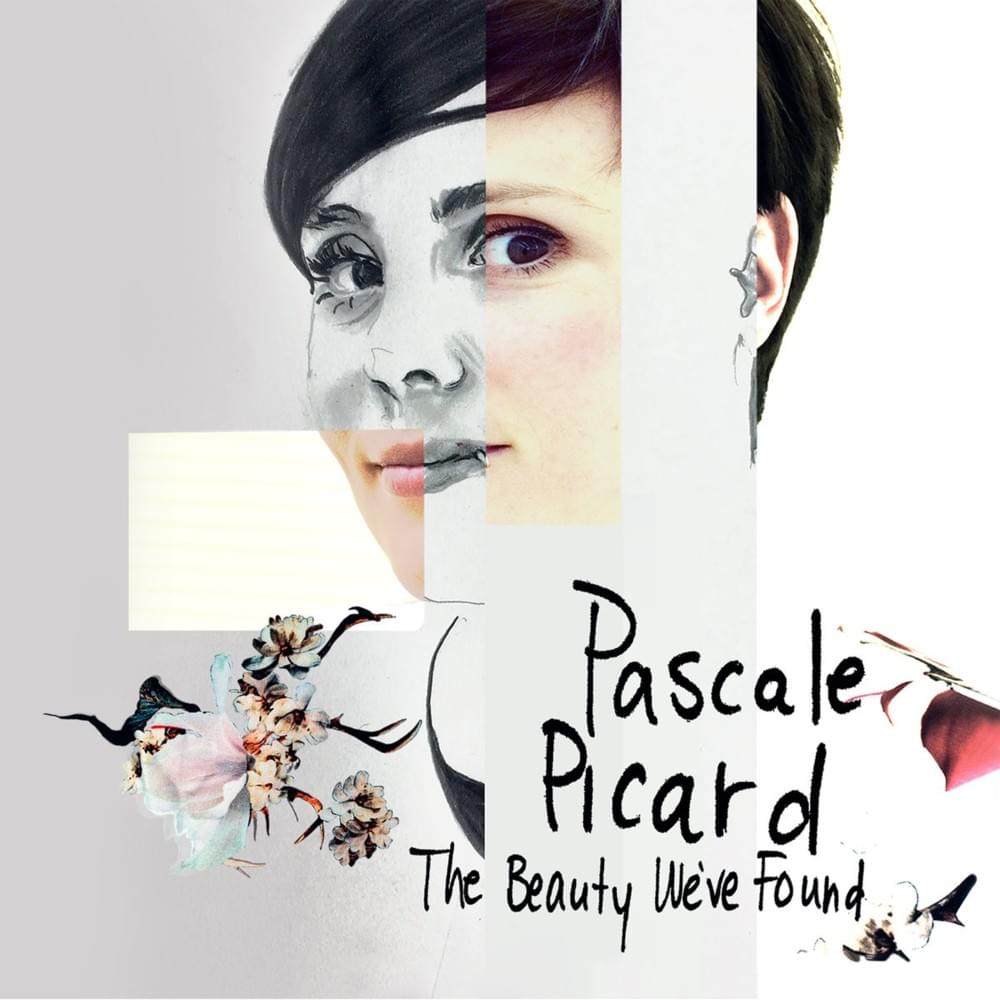
Pascale Picard's "The Beauty We've Found" isn't a saccharine ode to fleeting romance; it's a clear-eyed assessment of love's persistent, thorny nature. The opening lines, "The seasons change, the flowers wither," immediately ground the listener in a reality where beauty is transient, a poignant contrast to the enduring hope that threads through the song. Picard isn't advocating for naive optimism, but rather a conscious choice to appreciate the present moment, even with the looming possibility of heartbreak. There's a subtle nod to resilience here, a promise to "gather up the pieces" should things fall apart. This isn't about avoiding pain, but about acknowledging its inevitability and choosing to engage with life, and love, anyway. It's an emotionally mature perspective, acknowledging the cyclical nature of both beauty and pain.
The lyrics' recurring motif of roses, both beautiful and armed with thorns, serves as a potent metaphor for relationships. "Wild roses keep growing though you look away" suggests that love, in its various forms, persists even when we're guarded or disillusioned. The lines "But true love's a needle in the hay" encapsulates the inherent difficulty in finding lasting connection, but it doesn't negate the value of the search. The needle-in-a-haystack imagery speaks to the rarity and difficulty of finding something genuine amidst the chaos of fleeting connections, a feeling that resonates deeply in today's hyper-connected yet often isolating world.
Ultimately, "The Beauty We've Found" is about embracing vulnerability in the face of uncertainty. Picard seems to be suggesting that the potential for pain is inextricably linked to the experience of profound beauty. The song's core message lies not in the absence of hardship, but in the willingness to repeatedly choose beauty, even when "it will blow up in our face." It's a celebration of the cyclical nature of life, where endings inevitably lead to new beginnings, and where even the sharpest thorns can't diminish the allure of a wild rose.
 View Artist