Song Meaning
The lyrics paint a picture of intense anticipation for an evening rendezvous. The narrator dismisses the dawn and the bright, clear day, finding them empty because they don't bring the desired reunion. The vibrant imagery of a colorful dawn and a pure sunlit sky is presented as almost irrelevant, overshadowed by the singular focus on waiting for nightfall. This contrast highlights how personal desire can render the external world, even its most beautiful aspects, insignificant.
The central tension lies in the narrator's desperate longing to see a specific person. Every passing moment of daylight feels like an eternity, a stark contrast to the swiftness they wish upon the hours leading to evening. The phrase "Une journée est une année" (A day is a year) powerfully captures this subjective distortion of time, where the absence of the loved one stretches minutes into ages. This intense focus on a single future event consumes the present.
The most striking craft element is the persistent repetition of "J'attends le soir" (I wait for the evening) and its eventual transformation into "Voilà le soir" (Here is the evening). This shift from passive waiting to active arrival signifies the climax of the narrator's anticipation. The imagery of a "voile sombre" (dark veil) bringing "l'ombre" (the shadow) is not presented as something to fear, but as a welcome harbinger of the longed-for moment. The physical reactions described – "Mon sein palpite" (My breast throbs) and "Mon cœur me quitte..." (My heart leaves me...) – convey the overwhelming emotional and physical intensity of this impending encounter.
These lyrics resonate because they articulate a universal feeling of yearning, amplified to an almost unbearable degree. The writing effectively uses the passage of time and the changing light as a narrative device, mirroring the narrator's internal state. By focusing on the specific, almost obsessive, desire for the evening and the reunion it promises, the song captures the potent, all-consuming nature of deep affection and anticipation.
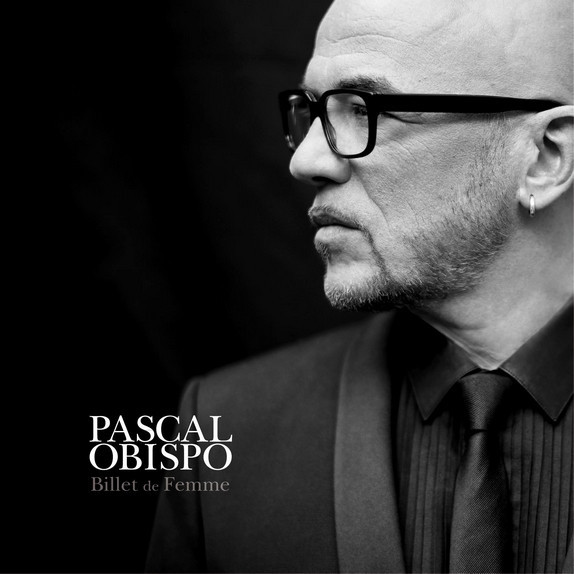
 View Artist