Song Meaning
The lyrics paint a picture of weary resignation, a quiet surrender to the inevitable erosion of passion and dreams. The opening lines immediately establish a sense of jadedness, referencing "words too often heard" and "love we no longer make." This isn't a dramatic breakup, but a slow fade, a quiet acknowledgment that the spark has died, leaving behind only the echoes of what once was. The battles fought are "in vain," and the details that once mattered now seem insignificant, contributing to a pervasive feeling of futility.
Despite this pervasive ennui, a persistent, almost defiant, imperative emerges: "Il faut pourtant / Jouer encore" (We must still / Play again). This refrain introduces a central tension between the desire to cease, to give up on the charade, and the need to continue, to perform the motions of life and love. The narrator appears to be wrestling with the impulse to surrender completely versus the ingrained habit of carrying on, even when the initial fervor has long since vanished. This internal conflict is underscored by the repeated phrase "Se résigner / Au changement" (To resign oneself / To change).
The most striking aspect of the writing is the stark simplicity and repetition of "D'accord" (Okay/Agreed). This single word, uttered with increasing frequency and variation, becomes the emotional anchor. It's not an enthusiastic agreement, but a weary, almost hollow, acceptance. The shift from "Jouer encore" (Play again) to "Se rendre encore" (Surrender again) and finally to "Se laisser faire" (Let oneself be done/Let it happen) highlights a progression from a performative continuation to a passive acceptance of fate. The repetition of "D'accord" at the end, almost whispered, solidifies this sense of quiet capitulation.
Ultimately, the effectiveness of these lyrics lies in their unflinching portrayal of emotional exhaustion and the quiet dignity found in acceptance. The sparse language and repetitive structure mirror the feeling of being stuck in a loop, of going through the motions without genuine engagement. The power isn't in grand pronouncements, but in the subtle, almost imperceptible, shift from a forced continuation to a resigned letting go, making the simple "D'accord" a profound statement of emotional fatigue and acceptance.
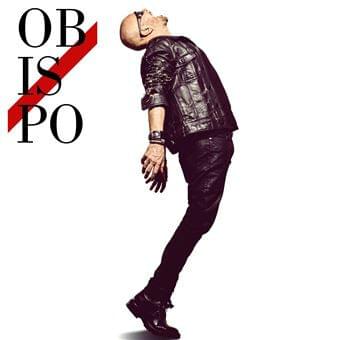
 View Artist