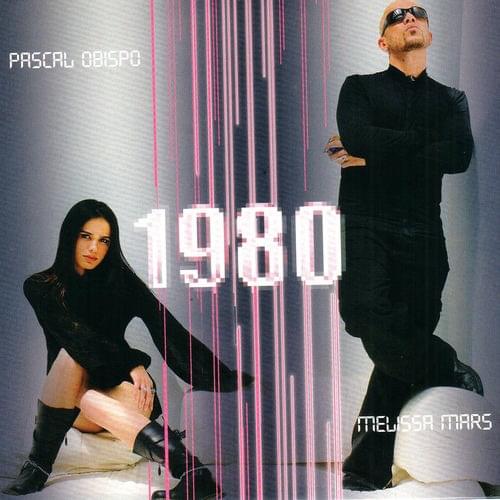
Song Meaning
The lyrics paint a picture of a generation in 1980, characterized by a sense of detachment and a reliance on dreams as an escape. The opening lines question the risk of appearing foolish, suggesting that music will always foster a dreamer's spirit. This sets up a core theme of individual worlds and refuges, each person seeking their own "better world" as an "escape." The repetition of "Des rêveurs" (dreamers) reinforces this idea of a shared, yet individual, pursuit of something beyond their immediate reality.
The central tension emerges from the specific year, 1980, described as a time when "a generation expected nothing." This isn't a generation looking forward with grand plans, but one operating "without illusion and without a tomorrow." Yet, despite this apparent lack of future-oriented hope, the refrain insists, "1980, it's not the end." This creates a powerful contrast between a potentially bleak outlook and an underlying resilience or refusal to be defined by limitations.
The craft of the lyrics lies in its cyclical nature and its embrace of the abstract. The repeated "Des rêveurs" acts as an anchor, a constant reminder of the core identity being explored. The phrase "1980, d'où je viens" (1980, where I come from) grounds the abstract feelings in a specific place and time, making the generational sentiment feel more tangible. The insistence that "nothing dies" and "it's not the end" offers a subtle defiance against the perceived "without a tomorrow" attitude.
What makes these lyrics resonate is their capturing of a specific, yet broadly felt, generational mood. It’s about finding solace in imagination when the present offers little. The writing doesn't offer grand solutions but instead validates the act of dreaming as a form of survival and a quiet assertion that even a generation "expecting nothing" possesses an enduring spirit that transcends immediate circumstances.