Song Meaning
The lyrics paint a picture of a nascent romance, built on a shared, almost instinctual connection. The repeated "ba da ba da" acts as a soft, wordless hum, suggesting an effortless understanding between "un homme et une femme." This vocalization underscores a feeling that transcends spoken language, hinting at a deep, intuitive bond that their "cœurs y voient" – their hearts perceive it. It's framed as a moment of serendipity, a "chance," a flicker of "espoir" that ignites something new.
The central tension lies in the contrast between the simple, almost childlike "ba da ba da" and the profound implications of "Combien de joies, bien des drames." This juxtaposition suggests that while the present connection feels light and hopeful, it's built upon the accumulated weight of past experiences, both good and bad. The phrase "C'est une longue histoire" acknowledges this depth, yet the immediate focus is on the present "Un homme, Une femme" choosing to forge a new path, "la trame du hasard" – the fabric of chance.
The most striking craft element is the persistent, almost hypnotic repetition of the "ba da ba da" refrain. It creates a sense of gentle momentum, a feeling of being swept along by a current of emotion. This sonic texture, combined with the recurring motifs of "nos voix" and "nos cœurs," emphasizes the shared experience and mutual recognition. The shift from "Nos cœurs y croient" to "Nos cœurs en joie" marks a progression from belief to active embrace, culminating in "On fait le choix d'une romance."
Ultimately, the lyrics resonate because they capture that delicate, exhilarating moment when two people recognize a potential connection and consciously decide to pursue it. The blend of simple, evocative sounds and the acknowledgment of life's complexities creates a feeling that is both grounded and aspirational. It's about seizing a fleeting chance, the simple, powerful act of choosing love when it appears.
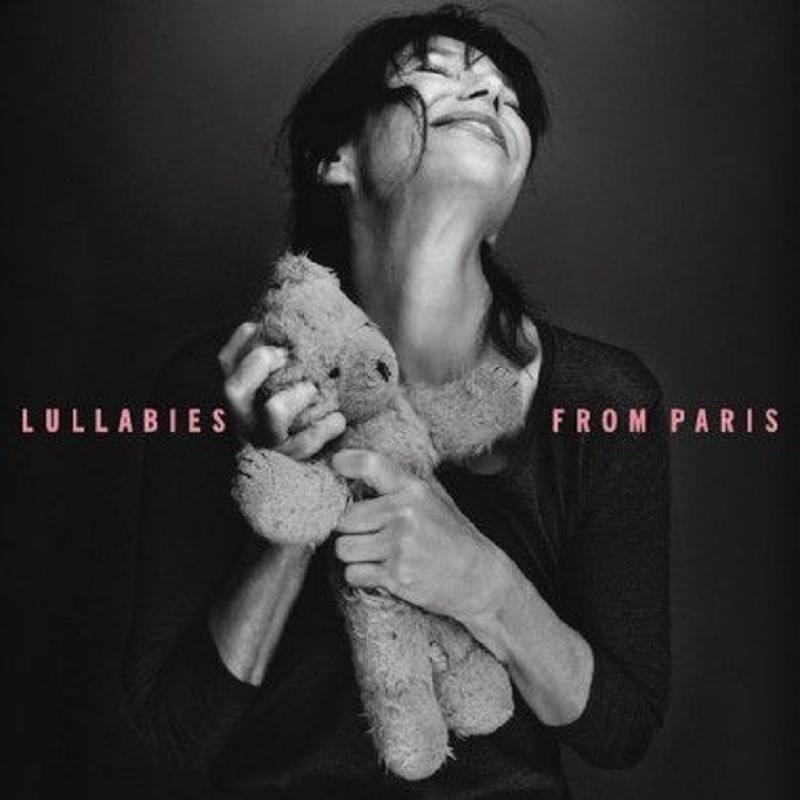
 View Artist