Song Meaning
The lyrics paint a picture of intense internal emotion, a "hot wind" and "restless night" churning within the narrator. Yet, this powerful inner world is deliberately contained, with the narrator stating, "I don't let it out." This creates an immediate tension between a vibrant, perhaps even chaotic, inner life and a controlled, outwardly passive existence. The narrator seems to exist in a state of perpetual dreaming and evasion, "just dreaming, floating, and running away," never truly emerging from these internal landscapes. This self-imposed isolation is presented as a defining characteristic, a "trace" left behind that is intrinsically them.
The core conflict appears to stem from a perceived inability to translate internal passion into external action or creation. The narrator admits, "I'm not skilled at creating something," suggesting a frustration with their own perceived limitations. Despite this, there's a strong sense of reliability offered to others: "you can always count on me." However, this dependability comes with a firm boundary, a refusal to make deep commitments: "But don't ask me to give you a vow." This highlights a complex emotional state where connection is offered, but intimacy and vulnerability are guarded.
The most striking aspect of the writing is the persistent contrast between the internal "hot winds" and "restless night" and the external inaction. The repetition of "in me" emphasizes the depth and intensity of these feelings, while the repeated phrase "I don't let them out" underscores the conscious effort to suppress them. The lyrics suggest a narrator who is deeply aware of their own inner turmoil and desires, represented by "a hundred wishes," but chooses to keep them hidden, perhaps out of fear or a lack of confidence in their ability to manifest them in the real world. This creates a poignant portrait of unexpressed potential and guarded emotional availability.
Ultimately, the effectiveness of these lyrics lies in their raw, honest portrayal of internal conflict and self-imposed limitations. The narrator’s admission of not being "skilled at creating something" while simultaneously offering steadfast support creates a relatable, albeit melancholic, character. The deliberate withholding of deep commitment, despite a willingness to be present, speaks to a complex emotional landscape that many listeners might recognize. The song captures the quiet struggle of feeling intensely without necessarily showing it, leaving behind a subtle, personal "trace."
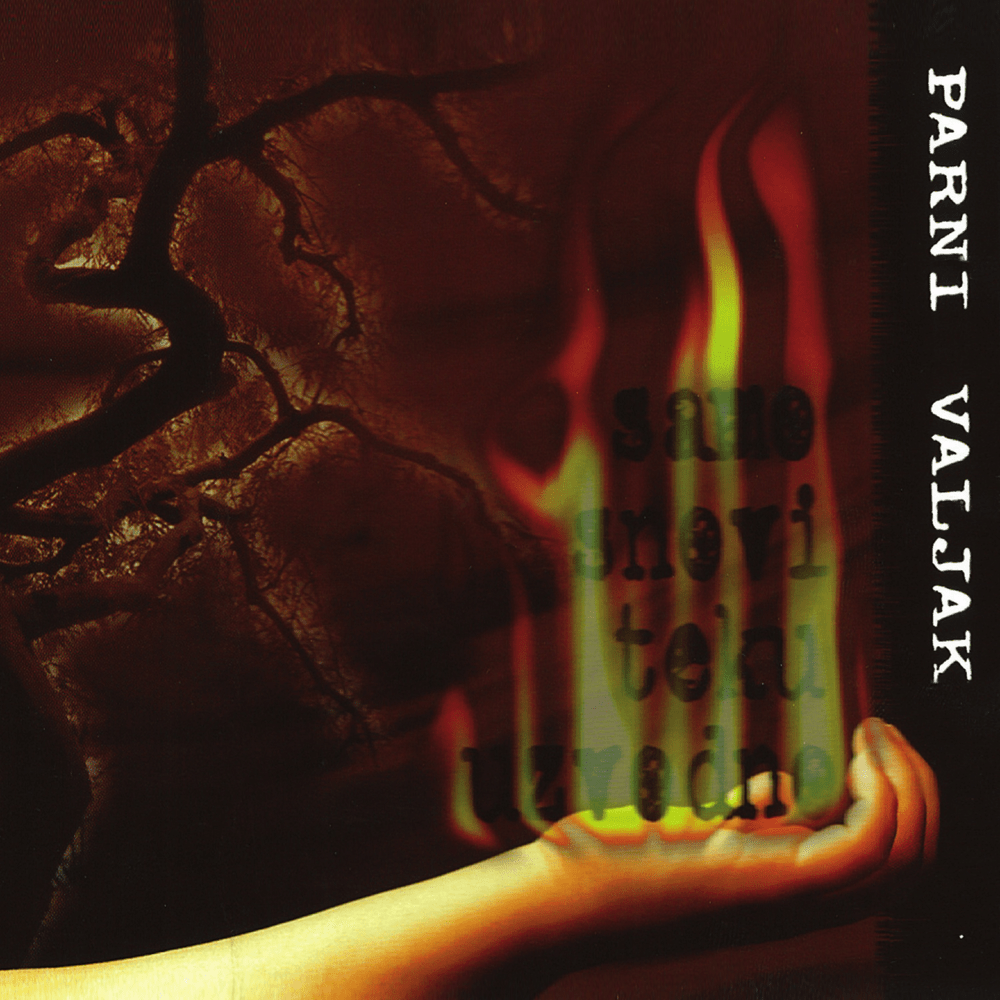
 View Artist