Song Meaning
The lyrics paint a picture of a place and a past that are inescapable, a kind of ingrained identity. The opening lines, "Back stuck down in your vein," immediately establish a sense of deep, almost biological connection to a location or a history. Whether someone left by choice or necessity, "Burn down Big Hill," "Light up Main Street," and the imagery of "Knee high cross and a red town view" suggest a familiar, perhaps even insular, community. The narrator asserts a shared, unchanging past: "Ain't no changin' who we've been."
The central tension seems to revolve around the pull of this past versus the desire or necessity of moving on, encapsulated in the chorus. The "windmills roll" could represent the passage of time or the ongoing life of the place, prompting reflection: "What do you think about what you know." The repeated phrase "Last haul, Roll on home" carries a dual meaning, suggesting both a final journey away and a return to roots, a bittersweet acknowledgment of what's left behind.
The writing uses stark, almost archetypal Western imagery to convey this feeling of being tied to a place. "Blood red stagecoach and golden dreams" juxtaposes romanticized ambition with the harsh realities suggested by "horseshoe fiends." The narrator's personal history is marked by loss and learning: "Left my love on Cooper's Hill" while realizing that "lessons" were learned by "standin' still." This contrast between movement and stillness, ambition and resignation, defines the emotional landscape.
Ultimately, the effectiveness lies in its evocative, concise language that conjures a strong sense of place and the complex emotions tied to it. The lyrics don't explicitly state a narrative but rather present a series of potent images and recurring motifs that resonate with themes of belonging, memory, and the inescapable nature of one's origins. The repeated call to "Roll on home" feels less like a simple direction and more like a profound, perhaps melancholic, acceptance of where one truly belongs.
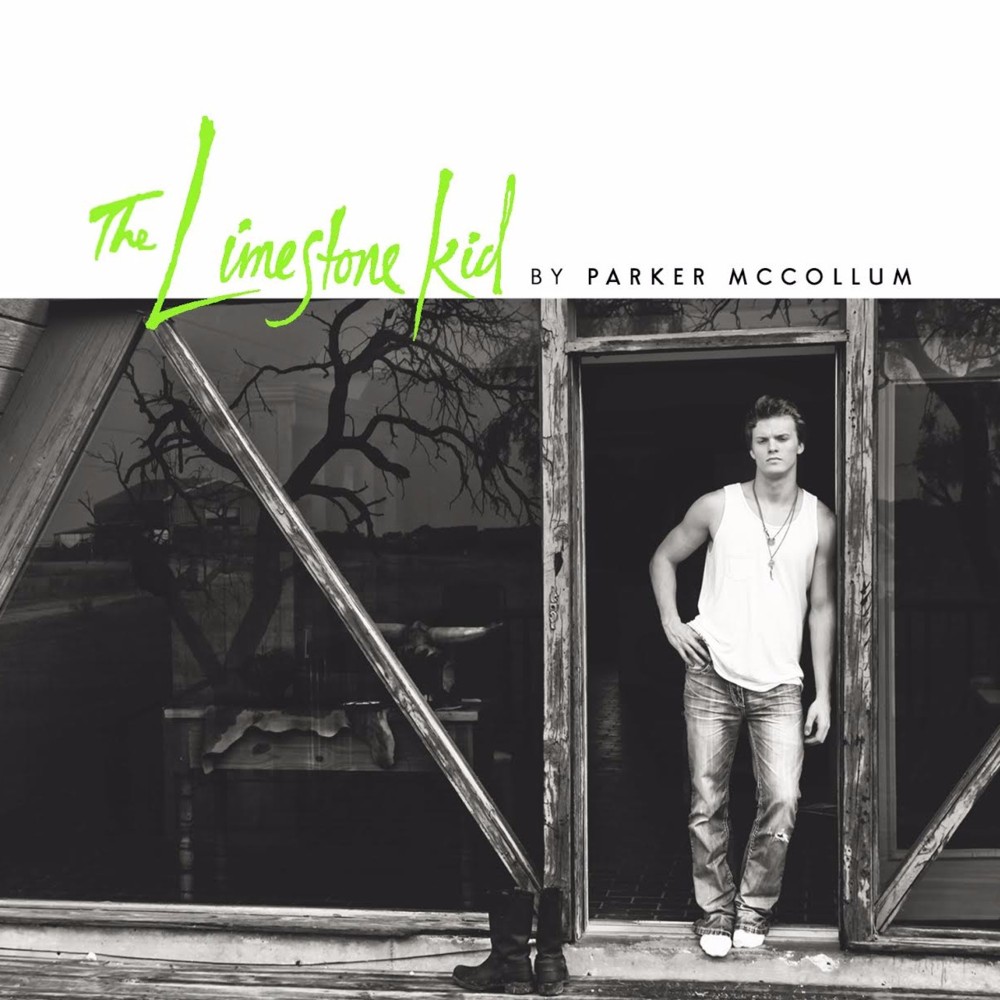
 View Artist