Song Meaning
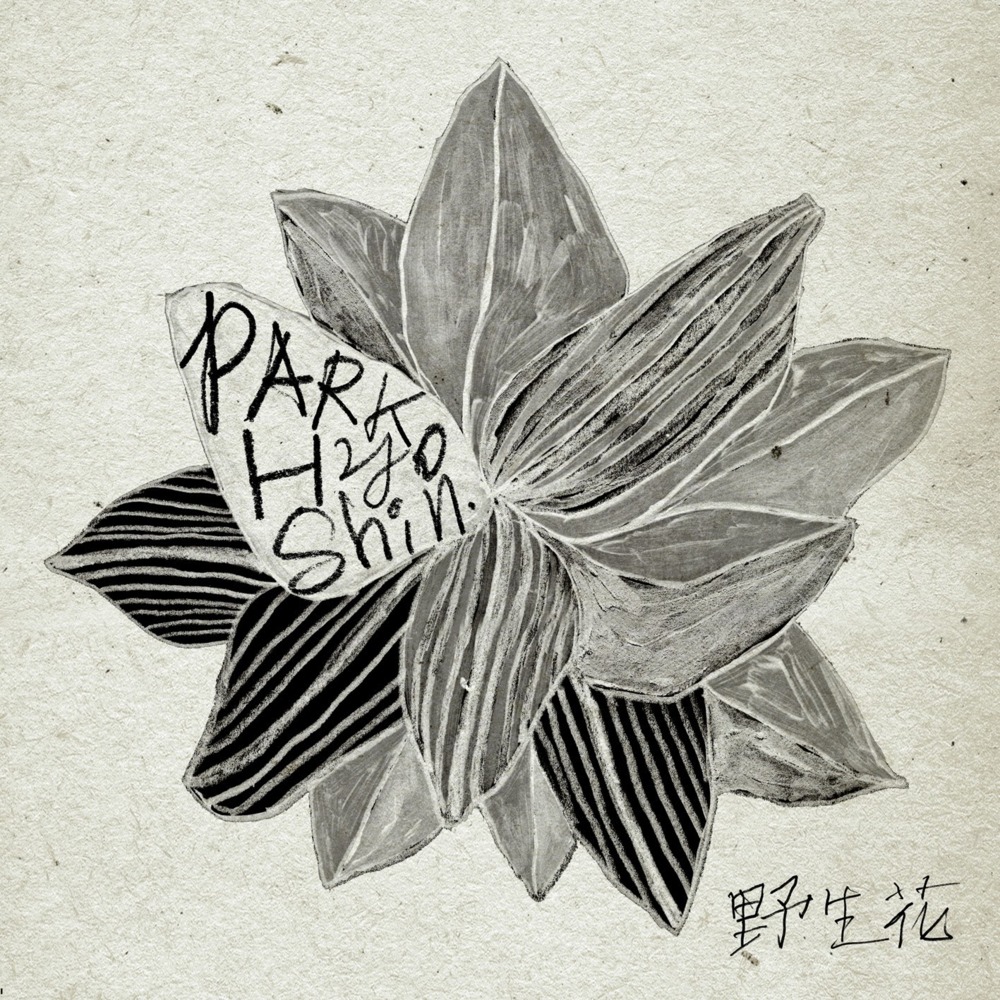
The lyrics paint a stark picture of enduring love and loss, beginning with a solitary, frozen flower braving the wind. This image immediately sets a tone of fragile beauty against harsh conditions. The narrator reflects on past moments, tears falling for a time when they couldn't even name what they felt, suggesting a deep, perhaps unexpressed, connection that has since passed. The arrival of a loved one is described as a recurring event, like a ray of sun melting ice, bringing warmth but also the pain of their eventual departure.
The central tension lies in the narrator's persistent presence on the path where the loved one left. They remain, holding onto only the good memories and a longing heart, waiting for a time when they can be 'forgotten enough' and 'okay enough' to bloom again. This waiting is tinged with a 'trembling' born from suppressed tears, highlighting a profound internal struggle between holding on and the desire for healing. The contrast between the 'frozen flower' and the eventual hope of 'blooming again' underscores this internal battle.
A striking craft element is the recurring motif of blooming and wilting, mirroring the cycle of love and separation. Love is compared to a 'burning flame' that 'blooms and then dies,' and the narrator's own existence is tied to this cycle, waiting for a 'spring' to arrive so they can 'bloom again.' The imagery of a 'parched land' where the narrator's body 'burns up' while their loved one's scent drifts away emphasizes the physical and emotional toll of this enduring, yet unfulfilled, connection. The desire to 'hold your hand' that is 'drifting away' captures the desperation of trying to grasp something already lost.
Ultimately, these lyrics resonate because they articulate the quiet, persistent ache of loving someone who is gone, and the internal fortitude required to simply exist while waiting for the possibility of future happiness. The narrator isn't demanding a return, but rather expressing a deep-seated hope for personal renewal, even if it means being 'forgotten enough' to find peace. The final lines, promising to bloom 'on that day' when 'spring comes to take you,' suggest a love that transcends even separation, finding its ultimate expression in the narrator's own eventual resurgence.
 View Artist