Song Meaning
The lyrics paint a picture of fleeting cultural moments, driven by an insistent, repetitive beat. It opens with a sensory image, "Drums keep pounding a rhythm to the brain," immediately establishing a hypnotic, almost primal energy. This is juxtaposed with specific, transient trends like the "miniskirt" and the elevated status of the "teenybopper," suggesting a world obsessed with the immediate and the new. The repeated "uh-huh" adds a casual, almost dismissive acknowledgment of these passing fads.
The central idea revolves around the cyclical nature of trends and the relentless march of time, encapsulated by the refrain "And the beat goes on." This phrase acts as both a musical anchor and a philosophical statement, implying that while specific cultural artifacts may fade, the underlying pulse of change and popular culture continues unabated. The mention of "The Charleston was once the rage" serves as a clear historical marker, highlighting how past enthusiasms become footnotes, yet the fundamental drive for novelty persists.
The most striking aspect of the craft is the stark contrast between the specific, dated references and the abstract, enduring refrain. The "la-di-da" interjections further emphasize a sense of lighthearted, perhaps even superficial, engagement with these cultural shifts. The lyrics don't mourn the passing of trends; instead, they observe the continuous flow, suggesting a detachment or an acceptance of this perpetual reinvention.
Ultimately, the effectiveness of these lyrics lies in their simple yet profound observation of cultural ephemerality. By grounding the listener in concrete examples of fads and then pulling back to the universal, unchanging "beat," the song creates a sense of both the triviality of the moment and the inevitability of change. It’s a commentary on how quickly the "current thing" becomes the "past," while the underlying rhythm of life and culture keeps moving forward.
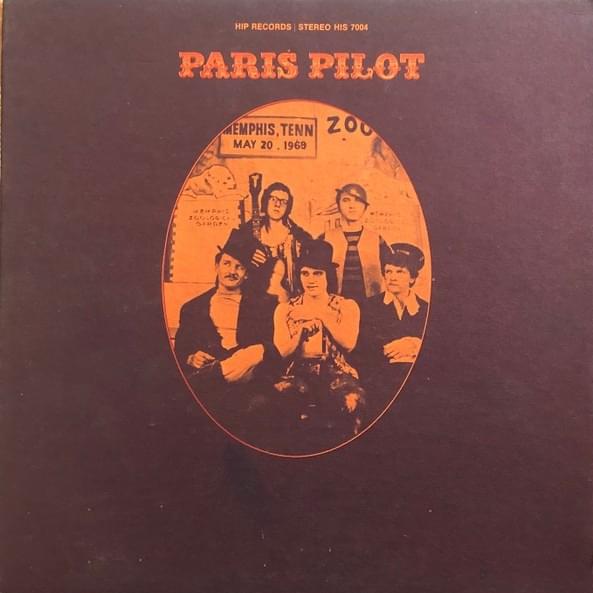
 View Artist