Song Meaning
The lyrics immediately confront a barrage of negative labels, from antisocial and xenophobic to violent and drug-addicted. The narrator, however, flips this criticism with a sarcastic "Vă mulțumim pentru complimente" (Thank you for the compliments). This sets up a defiant posture, directly challenging the audience with "Voi? Voi cum sunteți?" (You? How are you?). The contrast is stark: the perceived flaws of the speakers versus the idealized self-image of the audience, presented as beautiful, strong, rich, honest, hardworking, and happy. This opening salvo establishes a clear us-versus-them dynamic, immediately positioning the speakers against societal judgment.
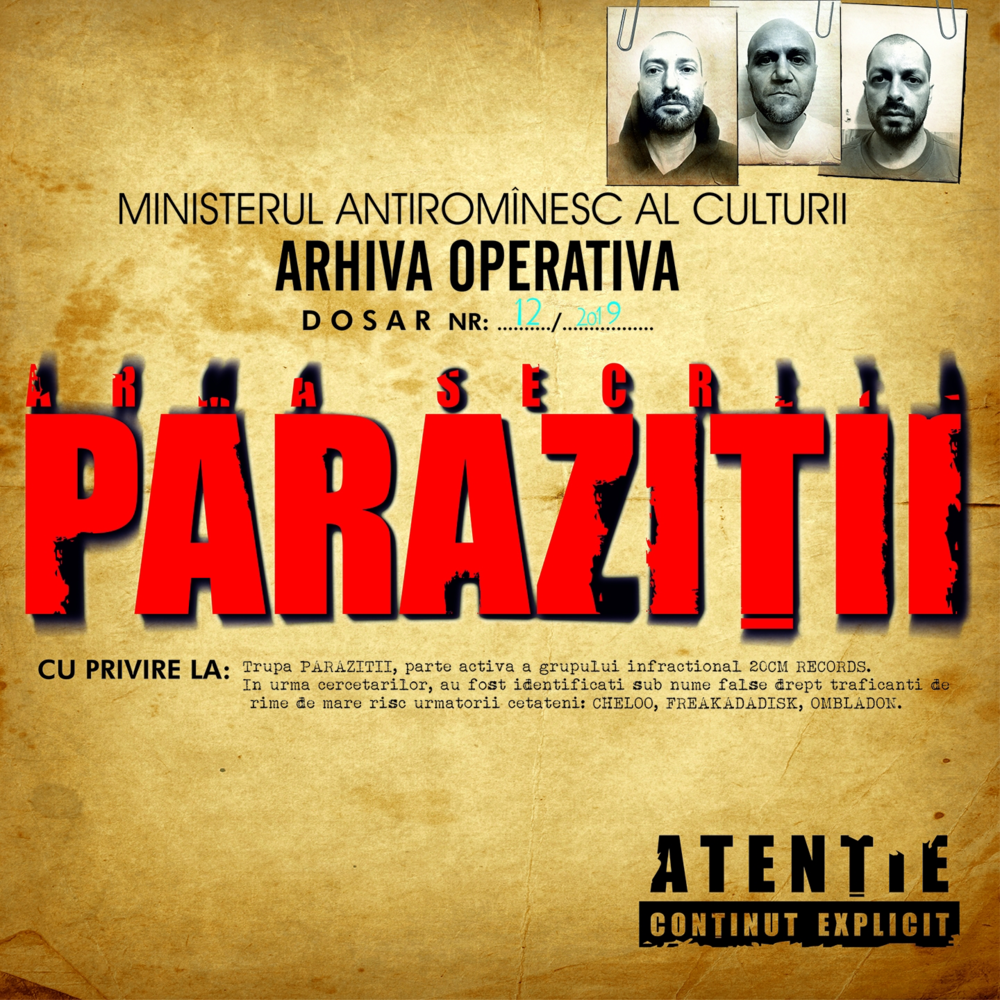
The core tension lies in this adversarial relationship, fueled by the speakers' embrace of their perceived negative traits. The phrase "generația care a futut-o pe mă-ta" (the generation that fucked your mom) is a deliberately provocative and vulgar assertion of dominance and generational rebellion. It’s not just about being different; it’s about actively rejecting the perceived moral superiority and hypocrisy of others, particularly the audience they are addressing. The album is framed as an artifact from a primitive era of Romanian music, aiming to solidify a legend through this confrontational stance.
The most striking aspect of the craft here is the aggressive, almost gleeful embrace of infamy. The lyrics weaponize insults, turning them into badges of honor. The abrupt shift from listing societal accusations to a sarcastic thank you, followed by the mocking portrayal of the audience and the final, explosive declaration of generational power, creates a disorienting yet impactful effect. This isn't about nuanced self-reflection; it's a blunt-force assertion of identity and a challenge to conventional respectability, using shock value as a primary tool.
This opening is effective because it bypasses subtlety entirely, opting for raw provocation. The immediate, unfiltered aggression and sarcasm are designed to elicit a strong reaction, whether it's agreement, outrage, or confusion. By framing themselves as outcasts and directly attacking the audience's presumed virtues, the lyrics create an undeniable presence. The power comes from the sheer audacity of their self-definition and their willingness to confront and insult anyone who doesn't align with their defiant, almost nihilistic, worldview.
 View Artist