Song Meaning
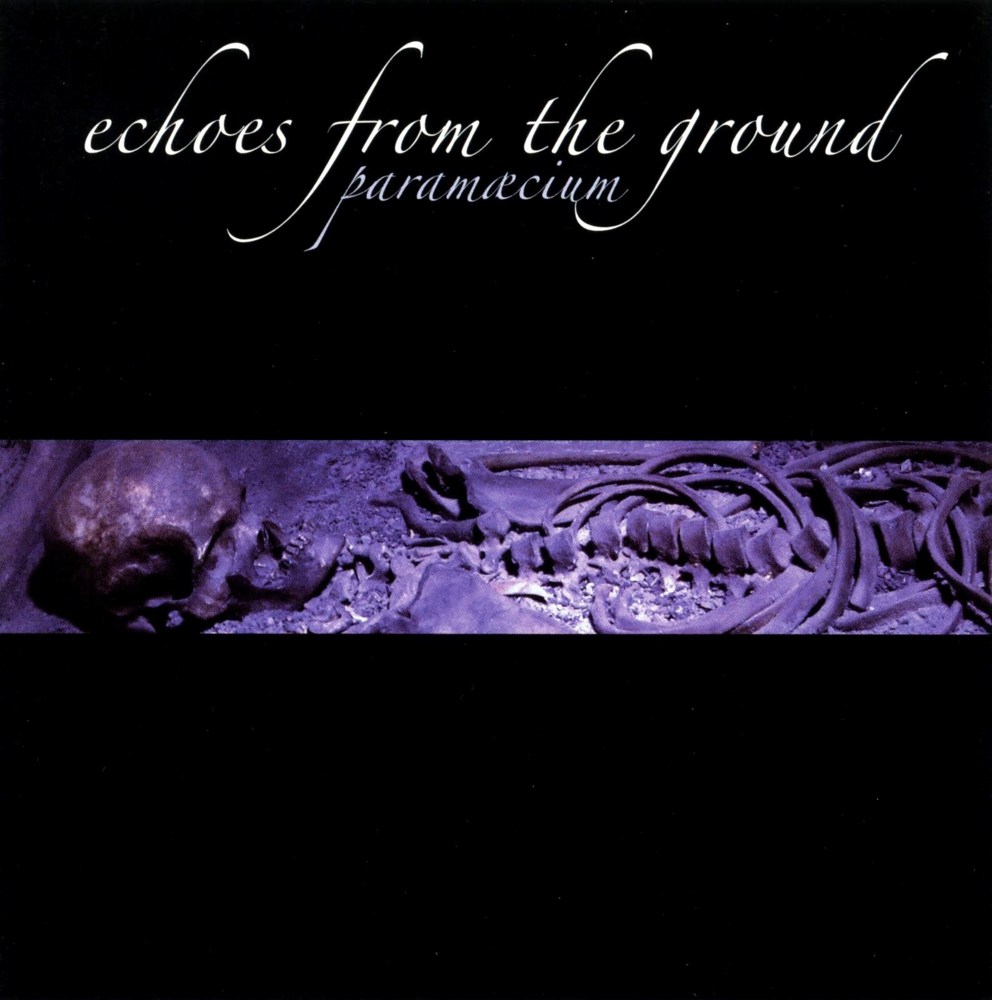
A solitary figure meticulously unearths ancient bones from a cave. The scene is stark, almost clinical, yet charged with an immense, unspoken tension. As the narrator examines the remains, a monumental question begins to surface, challenging deeply held beliefs. It's an unsettling excavation, both literal and existential.
The lyrics establish a powerful internal conflict, juxtaposing the narrator's repeated affirmation of personal existence — "I have life, I have time, I" — with a discovery that threatens the very foundations of faith. This mantra of self-awareness rings out against the backdrop of a "mound of the Skull," a location steeped in religious significance. The narrator's "mind held doubts" even as their hands were undeterred, signaling a determined pursuit of truth over comfort.
The craft here is subtle but potent. The recurring phrase, "I have life, I have time, I," acts like a rhythmic pulse, grounding the speaker in the present moment even as they delve into ancient history and profound theological questions. The imagery of "bones smooth and white" and the description of the burial cloth provides visceral details, making the abstract doubt feel tangible. The shift from a detached observer to someone with "trembling hands" reveals the immense weight of the potential implications, humanizing the intellectual struggle.
These lyrics are effective because they don't preach or declare; instead, they pose a direct, almost audacious question, forcing the listener into the narrator's shoes. By grounding such a cosmic doubt in the physical act of unearthing human remains, the writing makes the hypothetical feel terrifyingly real. The final lines, "Be all that remains of Christ?", deliver a gut punch, leaving an uncomfortable silence that resonates long after the words fade. It's a masterclass in using specific, stark imagery to provoke profound introspection.
 View Artist