Song Meaning
The lyrics paint a stark picture of intense loneliness and a desperate yearning for a specific person's presence. The narrator repeatedly states "te quiero aqui" (I want you here), emphasizing the void left by their absence. This isn't just a casual wish; it's a raw, almost primal need that colors the entire emotional landscape of the piece. The setting feels confined, "tirado en el suelo" (lying on the floor) and "tumbado en mi cama" (lying in my bed), suggesting a state of helplessness and stagnation.
The central tension arises from the narrator's desire to bridge the gap between their isolation and the desired presence of the other. The plea escalates from simply wanting the person near to a profound, almost self-abasing desire for closeness. The shift from wanting to be seen ("verte cara a cara") to wanting to be physically impacted ("pegandome") reveals a complex emotional state where even negative attention might be preferable to none.
The most striking aspect is the narrator's self-description: "quiero ser tu perro" (I want to be your dog) and "quiero ser tu esclavo" (I want to be your slave). This isn't about romantic love in a conventional sense; it's about a complete surrender of self, a willingness to be subservient and devoted to an extreme degree. The desire to "tenerte cerca y hacerte da" (have you close and hurt you) is particularly jarring, suggesting a twisted intimacy where pain and pleasure, or perhaps the act of causing and receiving, become intertwined in their desperate pursuit of connection.
This raw, almost masochistic expression of need is what makes the lyrics so potent. The extreme language of subservience and the unsettling desire to inflict or experience harm underscore the depth of the narrator's loneliness and their willingness to sacrifice dignity for proximity. It’s a powerful, albeit dark, portrayal of how isolation can warp one's desires and perception of connection.
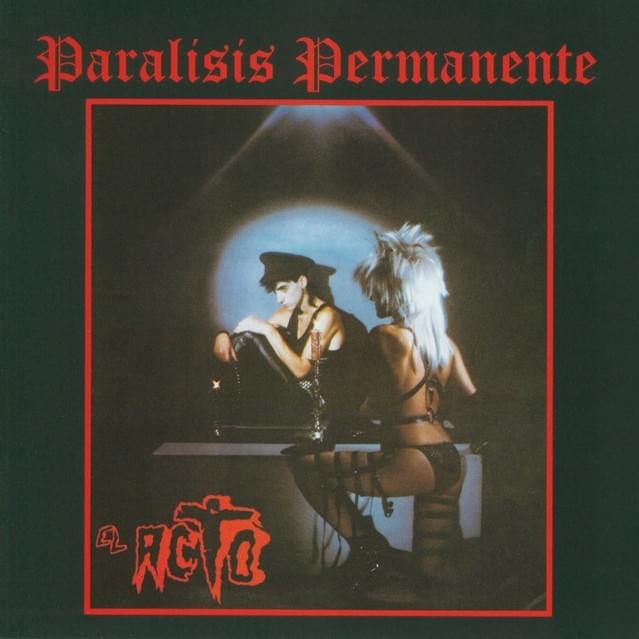
 View Artist