Song Meaning
The lyrics paint a picture of a bittersweet farewell, tinged with a desperate plea for a final, meaningful connection. The narrator acknowledges the impending separation, recognizing it as potentially the "last time you stand beside me." Yet, there's a flicker of hope, a possibility that this is also the "first time we see it through," suggesting a turning point or a new beginning, however painful. The core request isn't for a grand gesture or a promise to stay, but for something intimate and lasting: a poem, a lovesong, a story.
The central tension lies in the narrator's conflicting desires: to let go and be free, while simultaneously clinging to a final act of creation from the departing lover. They declare, "I will miss you no longer" and "I will be free," yet this freedom seems contingent on receiving these artistic expressions. The plea to "tell me a poem" or "write a lovesong just for me" acts as a desperate attempt to capture and preserve the essence of the relationship before it dissolves entirely, a way to imbue the parting with meaning.
The most striking element is the narrator's paradoxical request. They ask the departing lover to leave behind "love and happiness" and to "turn around and say goodbye," seemingly accepting the departure. However, this acceptance is immediately undercut by the plea for a poem or a story, a request for the departing lover to create something *for* them, to be the "key" to their freedom. This suggests that true freedom for the narrator isn't about the absence of the other person, but about holding onto a piece of their creative spirit, a final, intimate gift.
This lyrical construction is effective because it captures the complex emotional landscape of a breakup. It’s not just sadness; it's a yearning for a specific kind of closure, one that involves the creation of art. The repeated promise of freedom, "I will be, I will be free," feels earned only after the imagined delivery of the poem or song, highlighting how the narrator hopes to process their grief and find liberation through the lingering echo of their lover's words.
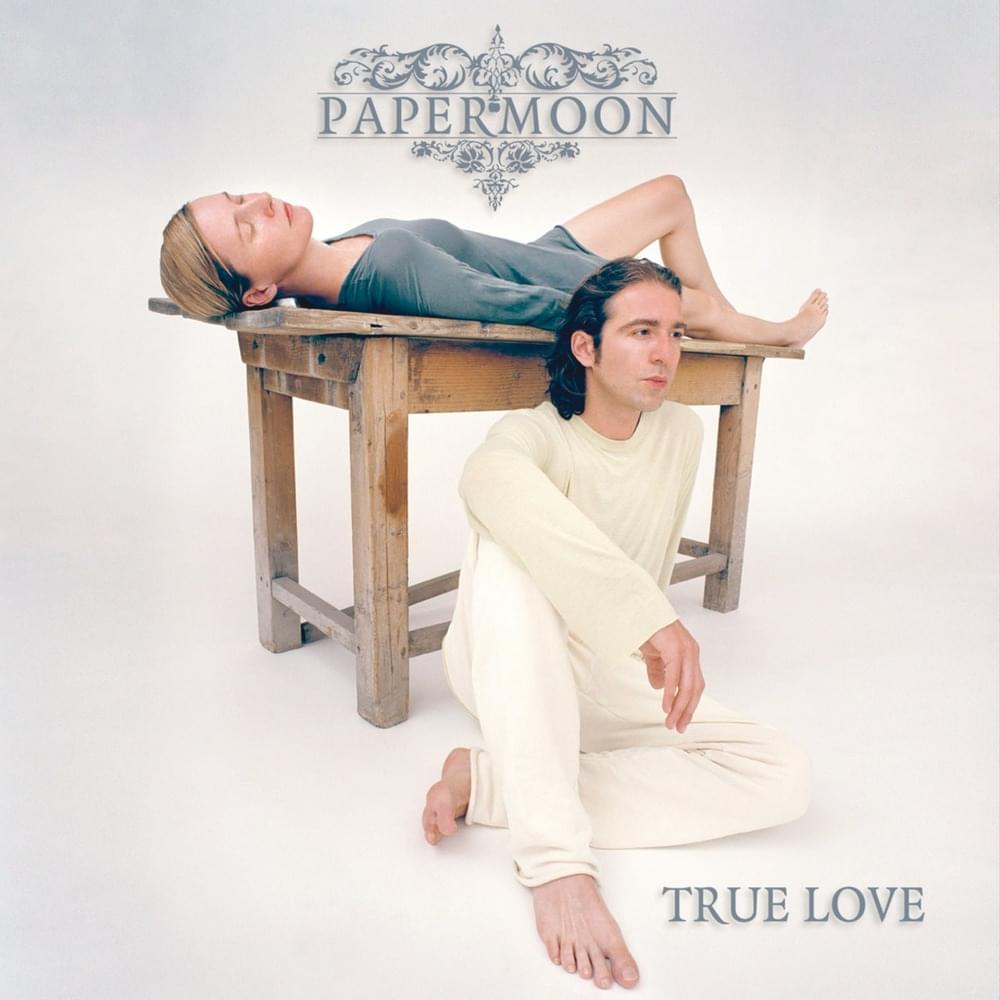
 View Artist