Song Meaning
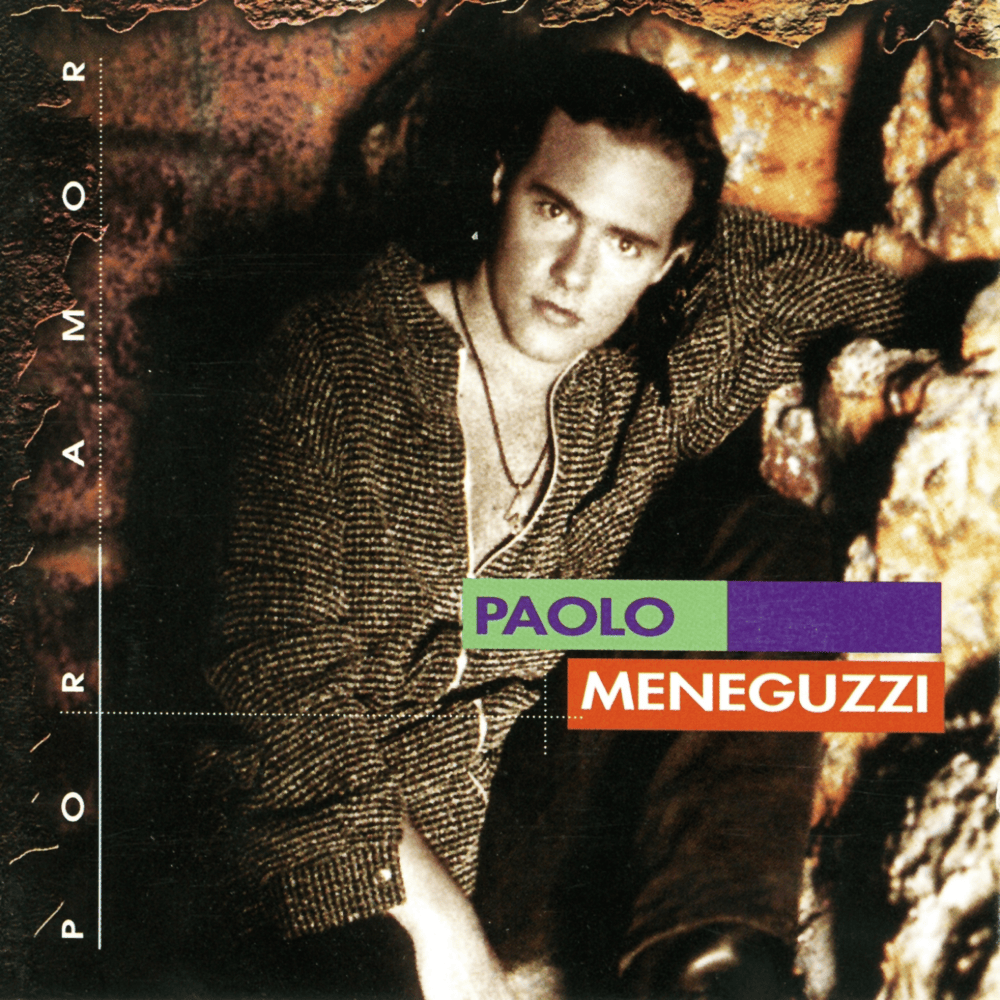
Paolo Meneguzzi's "Si No Nos Volvemos A Ver" is less a serenade and more a desperate, unraveling plea. The song's lyrical core hinges on a relationship teetering on the brink, narrated by a man grappling with the potential finality of a love he desperately wants to salvage. The repeated line, "Si No Nos Volvemos A Ver" (If We Don't See Each Other Again), acts as both a threat and a lament, a recognition of the impending doom hanging over the relationship. He's trapped, haunted by "una canción que me estalla por dentro" (a song exploding inside me), a motif representing the pent-up emotions he can no longer contain. This internal explosion is triggered by the realization that the shared rituals, the "mismo bar" (same bar), the "nuestra canción" (our song), have become hollow echoes of a happier past. Now, those memories serve only to amplify his current despair.
The psychological undercurrent of the song meaning reveals a complex interplay of guilt, blame, and a desperate clinging to hope. He acknowledges his potential culpability ("Quizás acaso todo ha sido culpa mía" - Perhaps it was all my fault"), yet quickly shifts to accusing his partner of inflicting pain. This oscillation between self-reproach and external accusation paints a portrait of someone struggling to process the relationship's downfall, caught in a cycle of denial and anger. The plea, "Pero no rompas mi vida" (But don't break my life), exposes a raw vulnerability, a fear of being irrevocably shattered by the separation. It's a stark admission of dependency, highlighting the unbalanced power dynamic within the relationship.
Ultimately, "Si No Nos Volvemos A Ver" is a study in the agony of potential loss. Meneguzzi captures the raw, unfiltered emotions of someone facing the disintegration of a significant relationship, laying bare the conflicting impulses of remorse, resentment, and a fragile hope for reconciliation. The rawness of the lyrics, combined with the underlying tension of the music, creates a palpable sense of desperation, making it a compelling, if unsettling, exploration of love's potential demise.
 View Artist