Song Meaning
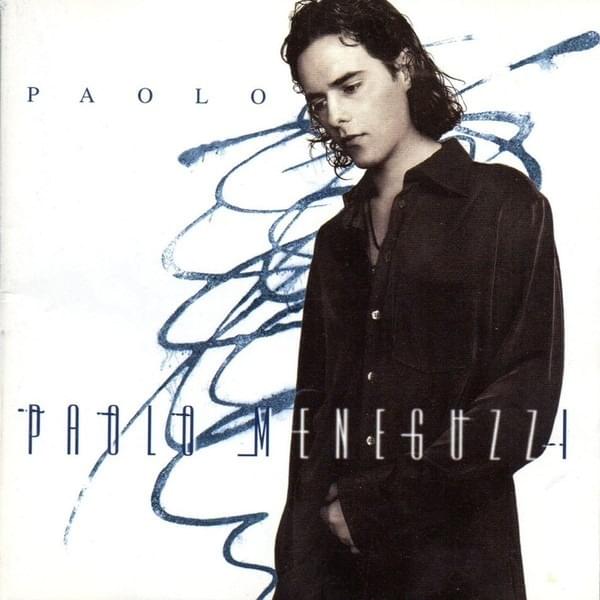
Paolo Meneguzzi's "Sandy" is a poignant ballad, seemingly addressed to a woman reeling from heartbreak. The song meaning centers around empathy and an offer of solace, underscored by a recognition of shared pain. The opening lines, "Yo sé que mal se pasa / Yo lo he tenido que sufrir" ("I know it's a bad time / I've had to suffer it"), immediately establish a bond between the narrator and Sandy, suggesting he understands the depths of her despair not just theoretically, but from lived experience. This establishes the narrator as someone who can truly understand Sandy's pain. He's not offering empty platitudes, but acknowledging the very real suffering she's enduring. This understanding is further reinforced by the lines, "Yo sé que ahora no vas a hablarlo / Que no te sirven los amigos / Que no te sirven los consejos" ("I know you're not going to talk about it now / That friends don't help you / That advice doesn't help you"). He recognizes the isolating nature of heartbreak, the feeling that no one can truly grasp the depth of one's pain.
The lyrics analysis reveals a duality in the narrator's approach. He offers comfort and understanding while also urging Sandy to move forward. Lines like "No te equivoques más / No tienes que dudar / Porque ocurrirá" ("Don't make any more mistakes / You don't have to doubt / Because it will happen") suggest a belief in fate and resilience. He's not just wallowing in her pain, but gently pushing her towards a future where things will get better. This is balanced by the tenderness of "Ya no te sientas mal / Y mira fuera, maor / Que ha salido el sol" ("Don't feel bad anymore / And look outside, love / The sun has come out"), a simple yet powerful image of hope.
The closing verses take an intriguing turn. The narrator positions himself as a kind of savior, singing "SANDY está brillando el sol / Tus lágrimas secó / Regresa a casa, ven" ("SANDY the sun is shining / Your tears are dry / Come home, come"). This, coupled with "Tu historia está vacía / Tu noche es cosa mía / Confía sólo en mí" ("Your story is empty / Your night is my thing / Trust only in me"), hints at a deeper, perhaps more possessive, desire. It moves beyond simple empathy into the realm of wanting to be her sole confidant and protector. Whether this is born of genuine care or something more complex is left open to interpretation, adding a layer of psychological depth to the song's meaning.
 View Artist