Song Meaning
Paolo Meneguzzi's "La Favola Di Settelune" unfolds as a quintessential fairy tale, a compact narrative exploring themes of love, captivity, and ultimate liberation. The song, driven by a repetitive chorus, paints a stark dichotomy: Settelune, the enchanted maiden, and the malevolent King of Evil who imprisons her. This setup, simplistic as it appears, taps into deeply ingrained archetypes within the human psyche, resonating with our innate understanding of good versus evil and the enduring power of hope. The 'sortilegio' or spell cast upon Settelune represents not just physical confinement, but a symbolic entrapment of the spirit. This resonates with anyone who has felt stifled by circumstance or oppressed by external forces.
The lyrics analysis reveals the classic trope of the valiant prince, armed with his white horse and sword, embarking on a quest to rescue his beloved. This isn't mere chivalry; it embodies the active pursuit of love and the courage required to confront darkness. The prince's slaying of the King of Evil isn't just a victory, it's a symbolic triumph over the forces that seek to diminish and control. This act of defiance, however fantastical, speaks to the human desire for agency and the belief that love can conquer all.
The recurring lines "Settelune è stata rapita... Ma l'amore la salverà" serve as the song's central thesis. Love, in this context, is not a passive emotion, but an active force capable of breaking spells and shattering prisons. The resolution, where Settelune is freed and returns home with her prince, culminating in a kingdom-wide celebration, offers a cathartic release. The iconic phrase "vissero per sempre felici e contenti" (they lived happily ever after) provides a sense of closure, reinforcing the fairy tale's promise of lasting happiness and the enduring allure of a world where good ultimately prevails. While seemingly simple, "La Favola Di Settelune" uses fundamental story elements to explore universal themes of oppression, hope, and the transformative power of love.
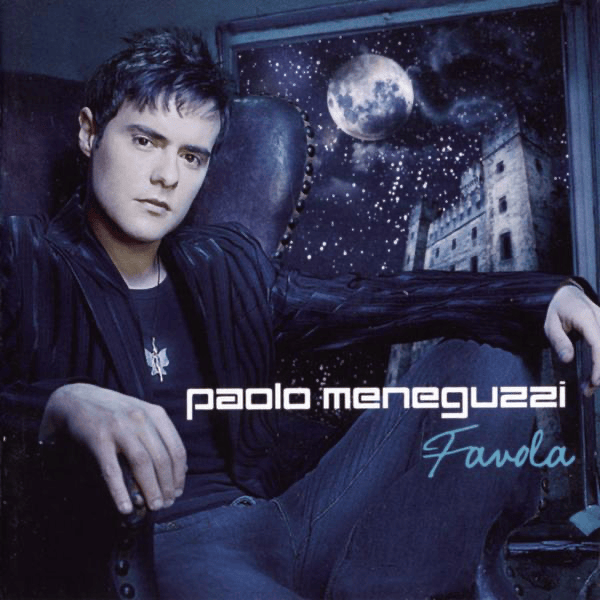
 View Artist