Song Meaning
Paolo Meneguzzi's "Bailalatino" pulses with a vibrant, almost desperate longing for connection and joy. The lyrics paint a picture of a romanticized Latin America, a whirlwind journey "de Bahía voy a Santa Fe," fueled by coffee and the promise of burgeoning love. It's a yearning for simpler times, a "vuelta a lo mejor de ayer," set against a backdrop of encroaching modernity ("un mondo llave en mano"). The invocation of Valentino, the silent film icon, and the "tango del mito argentino" immediately establishes a world of heightened emotion and performative romance. Meneguzzi isn't just singing about love; he's singing about the *idea* of love, filtered through cultural touchstones. The repeated chorus, "Baila latino, latino / dame la mano, la mamo, la mano, mujer," is both an invitation and a plea, an attempt to break free from the constraints of the modern world through dance and physical connection. This isn't just any dance; it's a specifically *Latin* dance, imbued with a sense of freedom and abandon. The comparison of the woman to a "caña de bambú / cimbreándote al viento" is particularly evocative, suggesting a natural grace and resilience, someone who bends but doesn't break. The "ritmo del budú" adds an element of primal, almost mystical energy to the dance. It speaks to a deeper, more instinctual connection that transcends mere physical attraction.
Beyond the surface-level romanticism, "Bailalatino" hints at a deeper existential anxiety. The line "Vivamos hoy porque mañana Dios dirá, dirá" betrays a sense of urgency, a need to seize the moment before it slips away. This carpe diem attitude isn't just about having fun; it's about confronting the uncertainty of the future with a defiant embrace of the present. The repeated calls to "Baila latino" can be seen as a form of escapism, a way to momentarily forget the pressures and anxieties of modern life through the shared experience of music and dance. Meneguzzi’s lyrics are not simply descriptive; they are performative, actively conjuring a world where love and joy are not only possible but actively pursued.
Ultimately, the song's meaning lies in its ability to tap into a universal desire for connection and escape. It speaks to the human need for joy, for love, and for a sense of belonging in a world that often feels isolating and overwhelming. The romanticized vision of Latin America, with its vibrant culture and passionate spirit, serves as a powerful symbol of this longing. "Bailalatino" isn't just a song; it's an invitation to dance, to love, and to live fully in the present moment, even if only for the duration of the music.
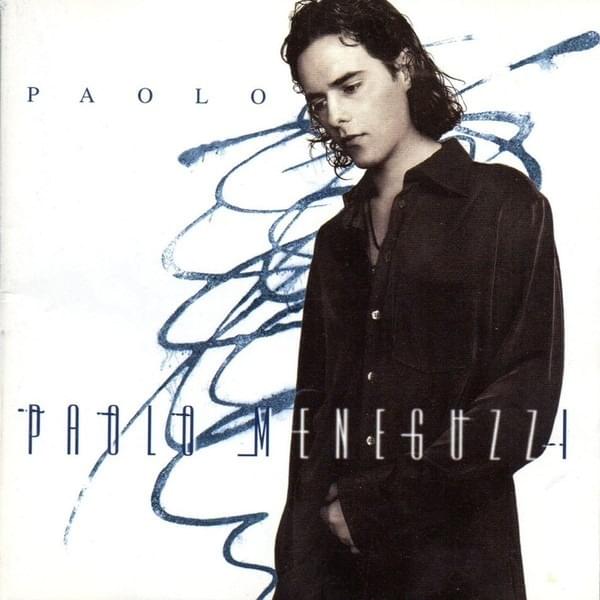
 View Artist