Song Meaning
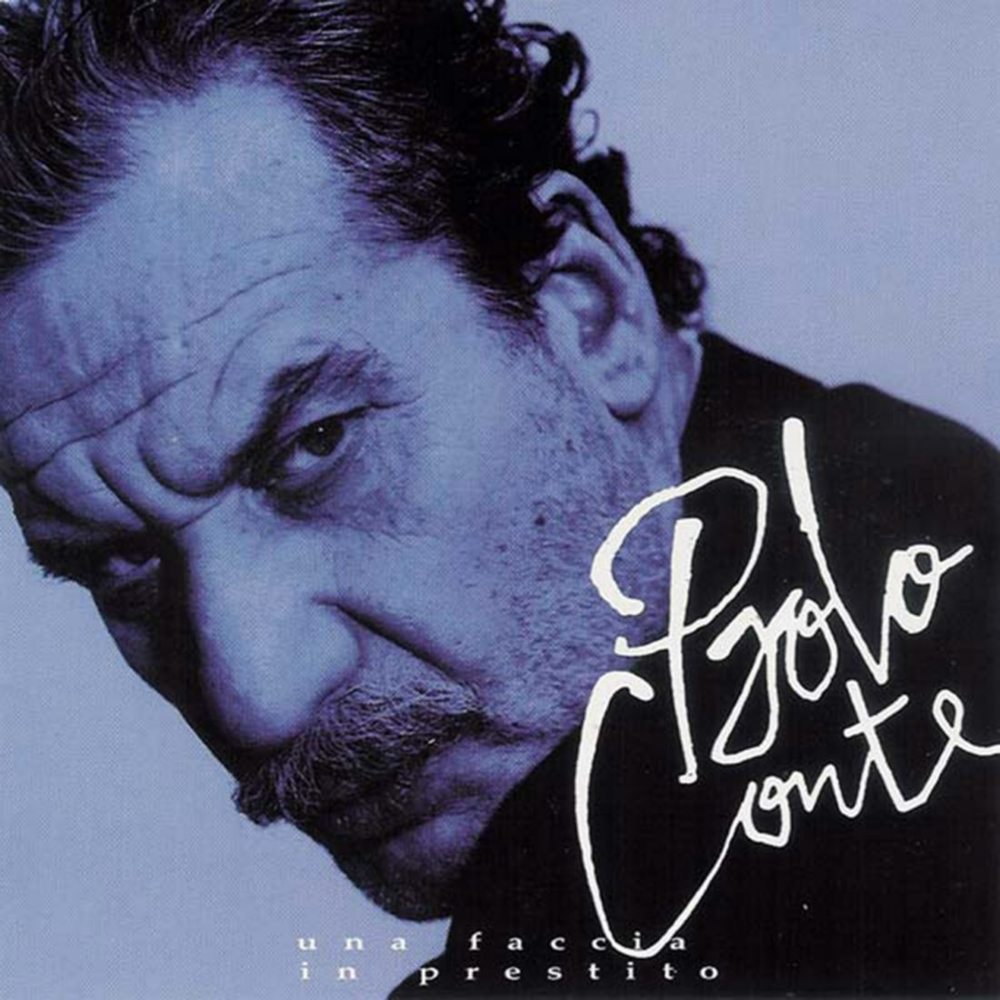
The lyrics of "Una faccia in prestito" immediately plunge the listener into a scene of performative identity. The speaker wears a "faccia imprestata" (borrowed face), a convenient disguise for a "pubblico" that watches like it's Carnival. Yet, the lyrics quickly reveal a crucial twist: this audience "sa che tu non sei" like that. They see the mask, but they also see the person beneath.
The core tension lies in this transparent performance. While the speaker adopts a facade, their true self remains "stampata qui" – imprinted in their actions, their inner pulse, and their "vecchia passione." This isn't a complete transformation but a painful suppression, a "tentazione di essere" that constantly pushes against the borrowed identity. The internal conflict culminates in the brutal self-command: "Non piangere, coglione, ridi e vai."
The sudden shift to "Ho nostalgia di un golf / Un dolcissimo golf di lana blu" is a powerful emotional anchor. This simple, comforting image of a blue wool sweater isn't just clothing; it's a vessel for a past, naive self – one "incantato da un artista fortissimo." This memory places the speaker "dietro le quinte," a poignant reminder of a time before the public performance, a time when emotions, even tears, were perhaps more freely expressed.
The effectiveness of these lyrics stems from their stark contrasts and the raw, almost violent self-admonishment. The gentle nostalgia for the blue sweater clashes sharply with the repeated, cutting command to "ridi e vai." This juxtaposition paints a vivid picture of someone trapped between a yearning for their authentic past and the relentless pressure to maintain a convenient, yet transparent, facade. The lyrics resonate by exposing the emotional toll of living a borrowed life, where even the audience knows the truth.
 View Artist