Song Meaning
The lyrics paint a picture of someone adrift in a new city, grappling with a sense of alienation and uncertainty about their reception. The opening lines immediately establish a feeling of being out of place, questioning the origin of any perceived positive attention: "Fiori a mezzanotte per me / Sembrerebbe per me / Con I complimenti di chi? / Non sappiamo di chi…" This sets a tone of suspicion and isolation, as the narrator is "nuovo in questa città / Non la sento mai mia…" The repeated phrase "midnight's knock down" underscores a feeling of being overwhelmed or defeated by the late-night hours and the city's anonymity.
The central tension lies in the narrator's struggle to discern genuine connection from superficial or transactional interest. They wonder if they are still liked "forse piaccio ancora, chissà" or if the attention is merely "la pubblicità / Di un'azienda che forse avrà / Questa mentalità." This ambiguity fuels their insecurity, making it difficult to trust any positive signals. The possibility of a personal connection, "O forse è una persona per me / Che mi vuole com sè…," offers a glimmer of hope, but it remains just that – a possibility overshadowed by doubt.
A striking image is that of "Fiori da combattimento per me," which translates to "fighting flowers for me." This unusual phrase, juxtaposed with the earlier "Fiori a mezzanotte," suggests a readiness for conflict or a defiant stance in the face of their struggles. The narrator feels like "Fiori più stranieri di me / In questa valle d'insonnia," emphasizing their foreignness and the sleepless, anxious environment they inhabit. This self-perception as an outsider, a "fighting flower" in a "valley of insomnia," highlights their vulnerability and their determined, albeit uncertain, engagement with their surroundings.
Ultimately, the lyrics resonate because they capture the disorienting experience of feeling unseen and misunderstood in an unfamiliar place. The narrator's internal monologue, oscillating between hopeful speculation and weary cynicism, mirrors the anxieties of navigating new social landscapes. The recurring "midnight's knock out" serves as a potent, visceral expression of the emotional toll this uncertainty takes, making the feeling of being on the verge of defeat palpable.
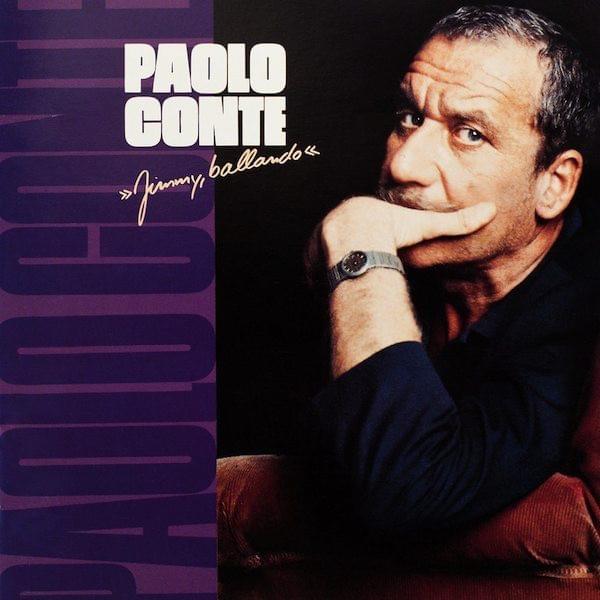
 View Artist