Song Meaning
The speaker offers their smile, admitting it might not be flawless. This immediate honesty sets a vulnerable, intimate tone. It's a direct offering, a moment of quiet self-disclosure, inviting the listener into a personal exchange.
Despite admitting "Forse non è il migliore," the speaker quickly clarifies this smile is a "bel sorriso" – a good one. This isn't just any smile; it's from a man who "ha già deciso Di avere te." Here lies the core tension: a deep, unwavering commitment from the speaker contrasts with a slight self-consciousness about how that commitment is outwardly expressed, perhaps due to "stanchezza" or "l'amore" itself.
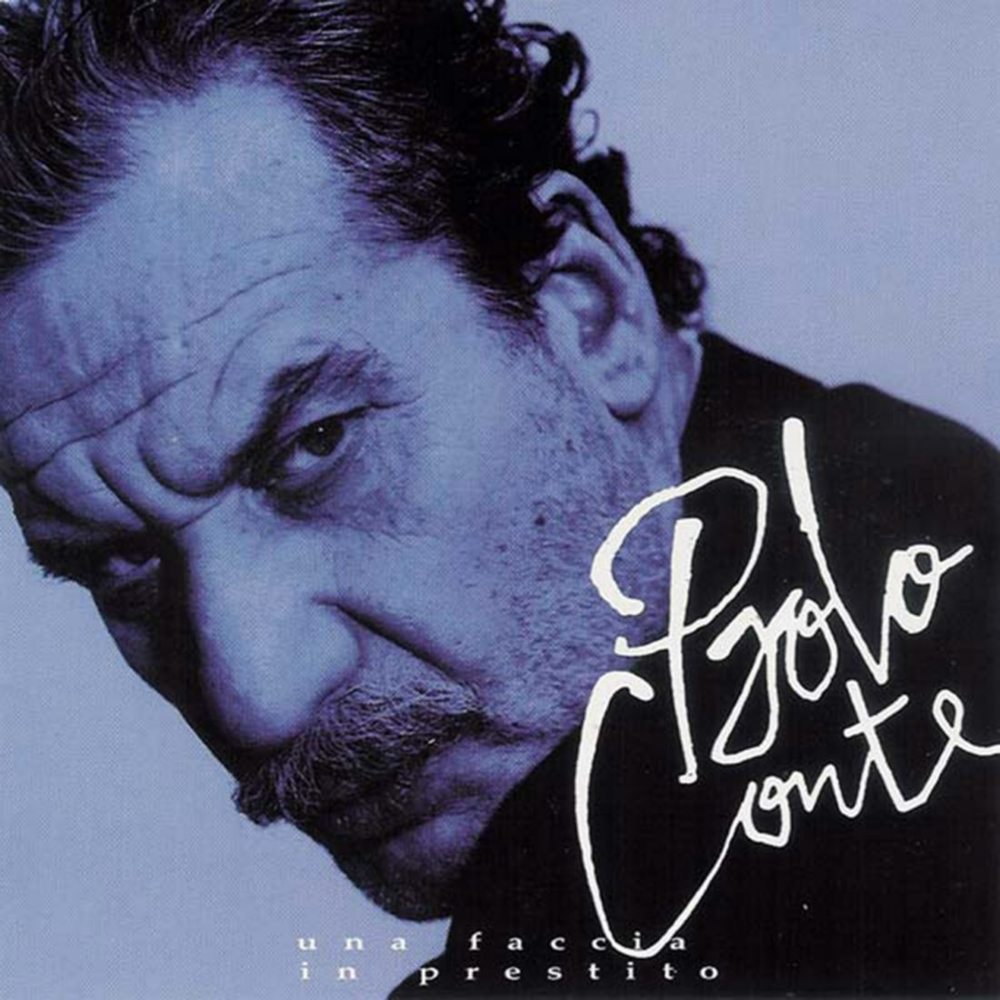
The repeated refrain, "Chissà se vuoi, chissà se puoi e se sai Leggere un po' su questa faccia," is particularly striking. It reveals the speaker's vulnerability, questioning if the recipient can truly grasp the depth of feeling etched onto their face. This isn't just about seeing the smile, but *understanding* the complex emotions and decisions behind it, creating a powerful plea for genuine connection.
The lyrics are effective because they paint a picture of profound, yet unpretentious, devotion. The speaker assures, "Ti sentirai capita," suggesting an empathetic understanding of the recipient's needs. The reflection that "la vita... Mi lascia qui" implies that all of life's journey has led to this specific, decisive moment of presenting an imperfect, yet utterly committed, self. This blend of raw honesty and deep certainty makes the declaration resonate powerfully.
 View Artist