Song Meaning
The lyrics paint a stark contrast between the external world and an internal, private space. The opening lines, "Toute la gloire et toute l'histoire… Ça reste dehors…" immediately establish that grand narratives and public recognition are deliberately shut out. This sets the stage for a sanctuary, a room where only the essential, the personal, and the intimate remain. The shift to English reinforces this feeling of a distinct, separate reality being constructed.
The dominant emotional tone feels like a deliberate retreat into self, a conscious choice to find solace away from the demands of the outside world. The narrator asks, "Where's the glory? Where's the story?" suggesting a questioning of external validation and a turning inward. The image of "a moon that dances / Just for me «in blue»" is particularly striking, evoking a solitary, almost melancholic, but deeply personal experience of beauty and peace.
The most compelling craft element is the juxtaposition of grand, abstract concepts like "glory" and "story" with the concrete and intimate "chambre" (room) and the singular "ours" (bear) or "moon." The French opening feels like a formal declaration of intent, while the English section translates this into a more direct, personal experience. The repeated "Da da da da da da" acts as a wordless refrain, a humming or a lullaby, further emphasizing the intimate, almost primal, comfort found within this self-contained world. It’s a sound that bypasses complex meaning for pure, simple presence.
This lyrical construction is effective because it captures the universal human need for a private space, a refuge from the overwhelming noise of public life. The deliberate exclusion of "glory" and "story" makes the subsequent focus on the "ours" (or the "moon") and the wordless "Da da da" feel profoundly significant. It suggests that true contentment isn't found in external achievements but in the quiet, personal moments that exist solely for oneself.
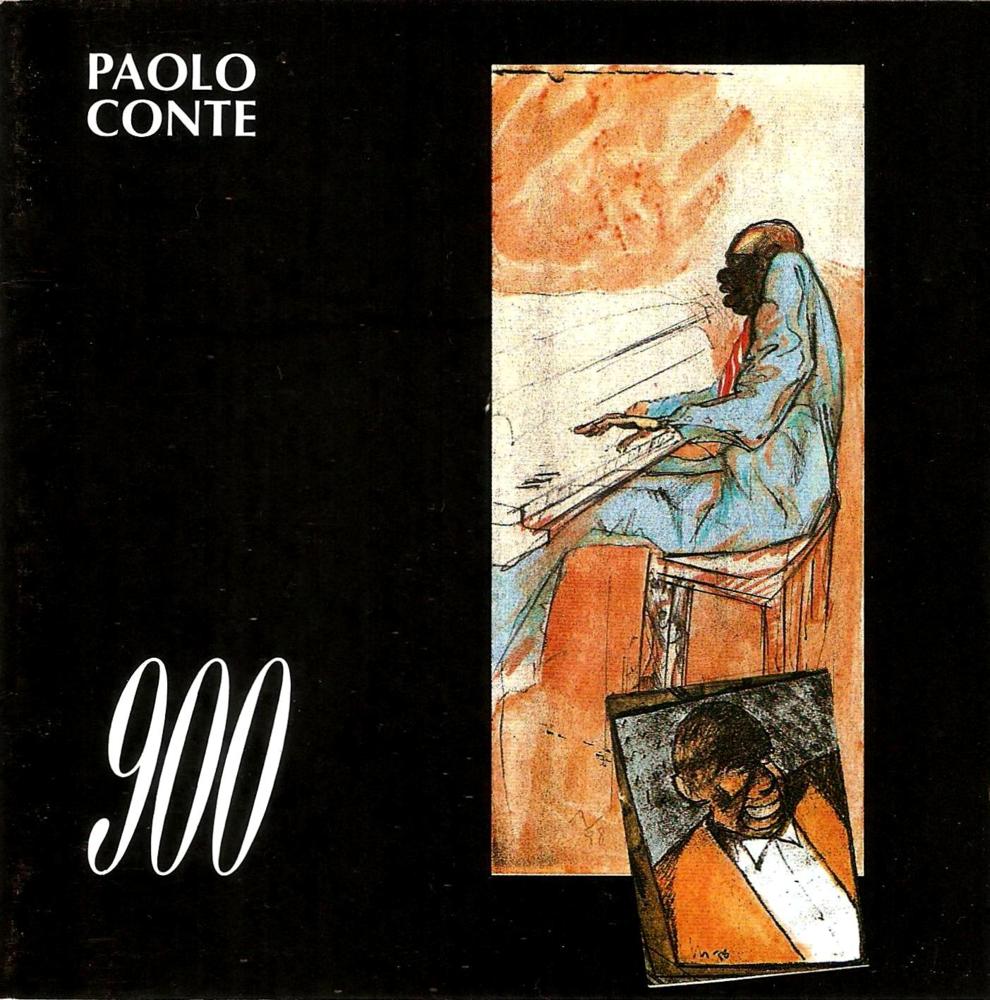
 View Artist