Song Meaning
The lyrics paint a picture of a melancholic, perhaps desperate, plea for connection, set against a backdrop of faded glamour and financial struggle. The narrator repeatedly asks for attention, specifically during a "blu notte" (blue night), a phrase that evokes a sense of sadness and longing. There's a clear sense of things not being "used anymore," suggesting a loss of old customs or perhaps a relationship that has fallen out of practice. The repeated request to be "found, fished out, drawn" implies a feeling of being lost or overlooked, needing to be actively chosen.
The central tension lies in the narrator's apparent need for companionship and perhaps financial assistance, contrasted with a perceived lack of reciprocal effort or resources. They ask if the other person has time for a "blue night," then immediately pivot to practicalities like paying for dinner, stating "I don't have a lira, this is the reality... Sorry, you pay." This juxtaposition highlights a vulnerability and a reliance on the other person, making the plea for connection feel tinged with a transactional undertone.
The recurring "Du-du-du-du" and the mention of "note blue" (blue notes) are particularly interesting craft elements. The scat-like "Du-du-du" can suggest a wistful, almost childlike humming or a simple, repetitive melody, underscoring the emotional simplicity of the desire for company. The "blue notes" themselves, often associated with jazz and a certain melancholy or soulful expression, directly link the emotional state to the act of making music or expressing oneself, suggesting that such expressions don't lead to financial gain ("Non si guadagna con le note 'blue'").
What makes these lyrics hit hard is the raw, unvarnished portrayal of need. The narrator isn't presenting a polished facade; they admit to having no money and directly ask the other person to pay. The imagery of a "silent apache hunt" and "empty streets" further amplifies a sense of isolation and a desperate, perhaps predatory, search for solace or support. The plea to "make your hands talk to me again" is a poignant request for renewed intimacy and communication, grounding the abstract emotional void in a tangible, human interaction.
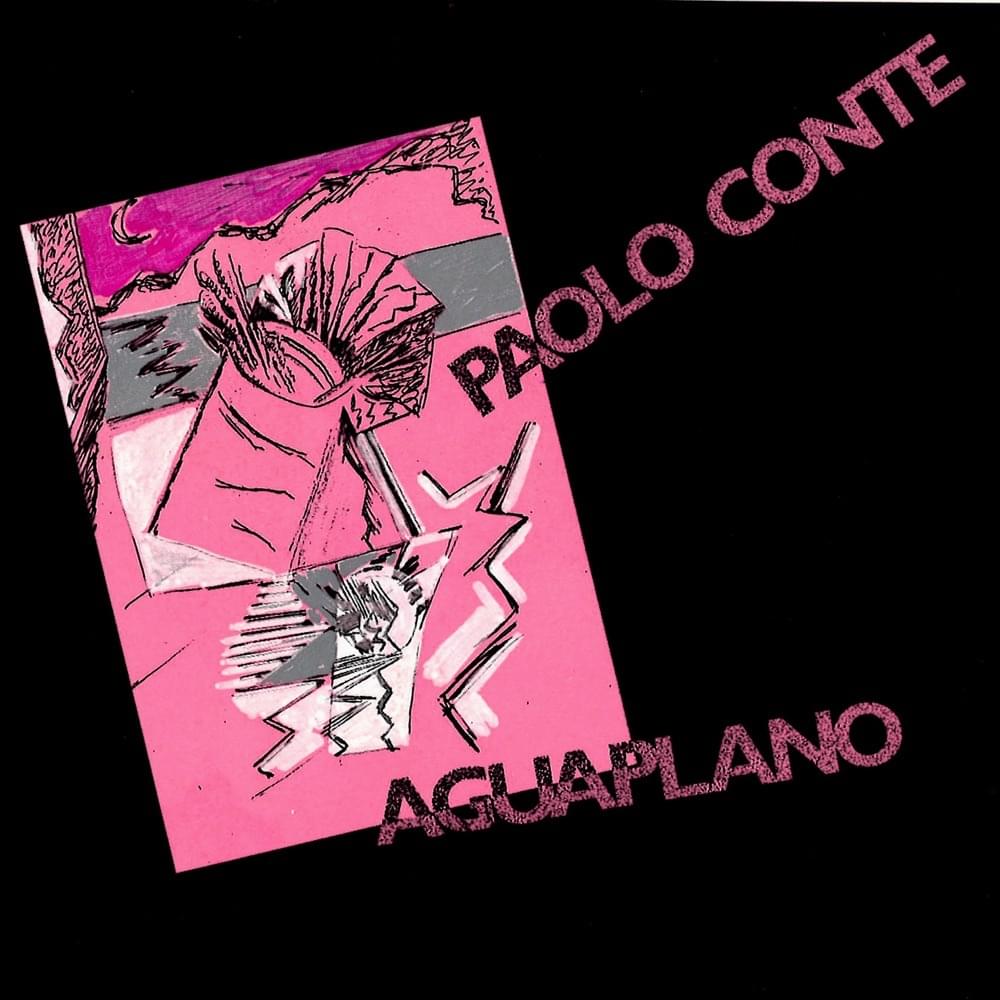
 View Artist