Song Meaning
The lyrics paint a stark picture of a world where superficiality and corruption reign. The opening lines describe "sellers of the world in sun-drenched glasses" with "laurel wreaths on zeroed-out faces," suggesting a hollow victory and a manufactured image. These figures, labeled as "criminals and assassins," appear to be "sponsored," implying that their actions are enabled or even encouraged by a system that values appearance over substance. The narrator offers flowers, but notes they are "already used," a poignant detail hinting at the ephemeral and perhaps tainted nature of gestures in this environment.
The central tension arises from a profound disillusionment with humanity and the passage of time. The narrator observes "betrayal and deserts like the faces of fathers," linking personal abandonment to a broader societal decay. The pursuit of personal power, declaring "now that everything is mine, I am my god," is immediately undercut by the crushing realization that "now it's always tomorrow and tomorrow is already late." This creates a feeling of perpetual postponement and missed opportunity, even at the supposed peak of achievement.
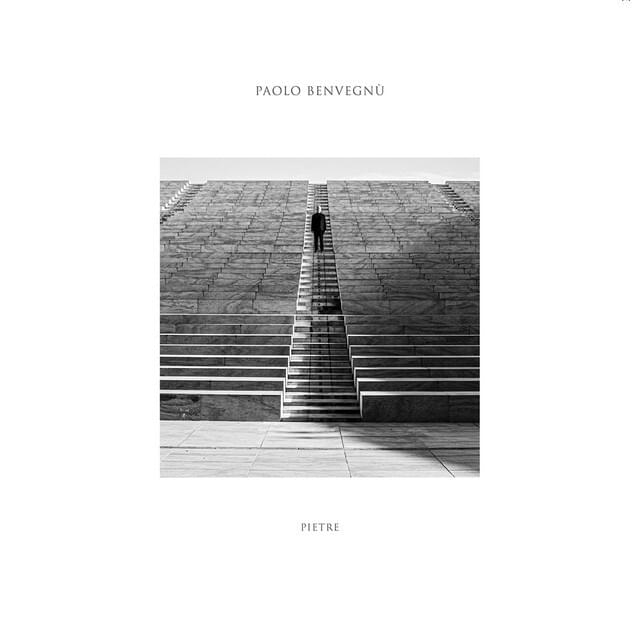
The most striking element is the repeated assertion that "silence is the truth." This refrain, echoing throughout the song, contrasts sharply with the noisy, deceptive world presented earlier. The narrator finds solace and understanding in the stillness of stones, stating, "The more I know humans, the more I understand stones." This preference for the inanimate, for the patient, silent endurance of rocks, highlights a deep weariness with human complexity and deceit. The image of flowers reclaiming skyscrapers and highways offers a glimmer of natural reclamation, a quiet victory of organic life over human artifice.
Ultimately, the effectiveness of these lyrics lies in their unflinching portrayal of cynicism and the quiet resignation that follows. The narrator's final declaration, "I know humans and I prefer stones," is a powerful summation of this sentiment. It’s not just a statement of preference, but a profound commentary on the perceived honesty and reliability of the natural world compared to the often-disappointing reality of human interaction. The craft here is in the stark contrasts and the simple, repeated refrain that anchors the listener in a feeling of profound, quiet truth.
 View Artist