Song Meaning
This track kicks off with a visceral image: a screeching tire and immediate departure, leaving the world behind. The narrator presents a stark choice: "O vieni o resti qua" (Either come or stay here), framing the decision as a leap into a shared, potentially chaotic destiny, "Io e te all'inferno amore e così sia" (You and I in hell, so be it). This isn't just about escaping; it's about embracing a radical, shared freedom.
The central tension lies in the conflicting paces of the two individuals. The narrator is all about acceleration, "Sempre in eccesso di velocità" (Always exceeding the speed limit), driven by a desire for escape and exhilaration. Yet, the other person is characterized as hesitant, the one who "non carburi mai" (never revs up) and "metti i limiti alla mia velocità" (puts limits on my speed). This creates a dynamic where one person's forward momentum is constantly being checked by the other's inertia, leading to a "situazione confusa" (confused situation).
The lyrics masterfully use the metaphor of speed and braking to illustrate their relational disconnect. While the narrator is "sulle ali della fantasia" (on the wings of fantasy), the other is "perduto dentro casa mia" (lost inside my house), highlighting a fundamental difference in their approach to life and the relationship. The repeated idea that "Se uno frena / Se si comincia a rallentare ci si ferma" (If one brakes / If one starts to slow down, we stop) underscores the fragility of their connection; any hesitation from one dooms them both.
Ultimately, the effectiveness of these lyrics stems from their raw, urgent portrayal of a relationship caught between exhilarating escape and stifling stagnation. The contrast between the narrator's desire for a "sgommata e via" (screeching tire and gone) and the other's resistance creates a palpable sense of frustration and longing. It’s this push-and-pull, the shared space with divergent speeds, that makes the narrative so compelling and emotionally charged.
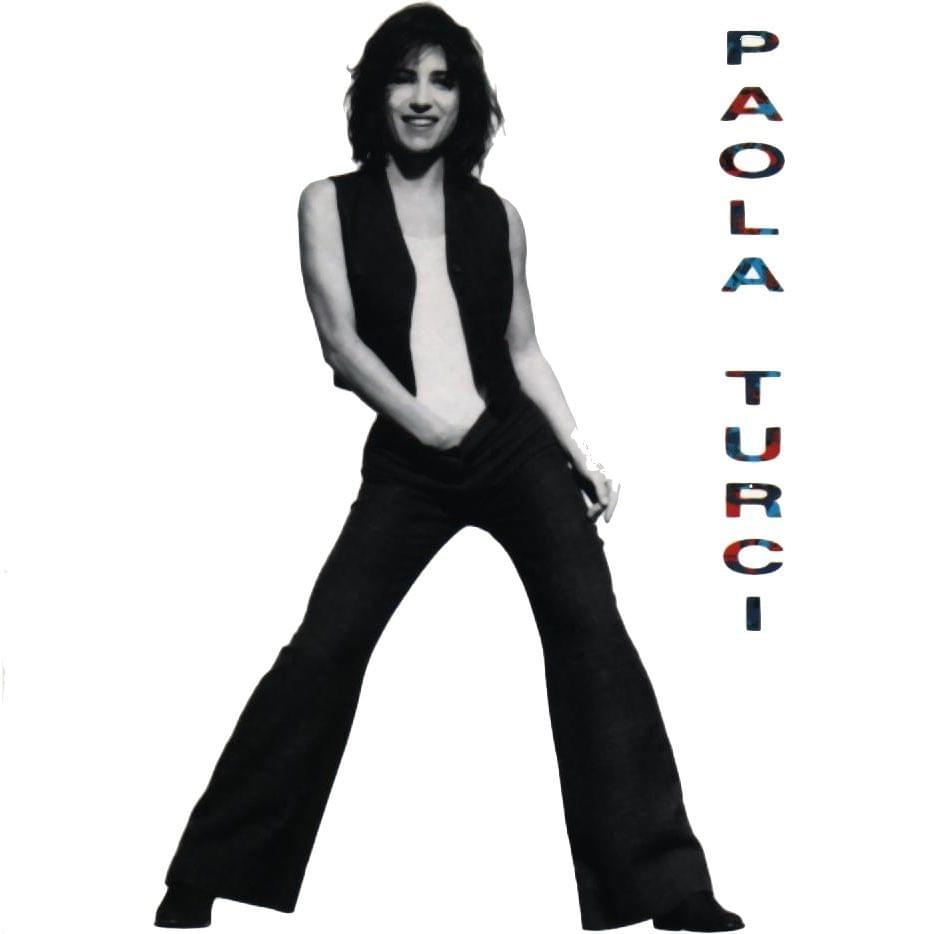
 View Artist