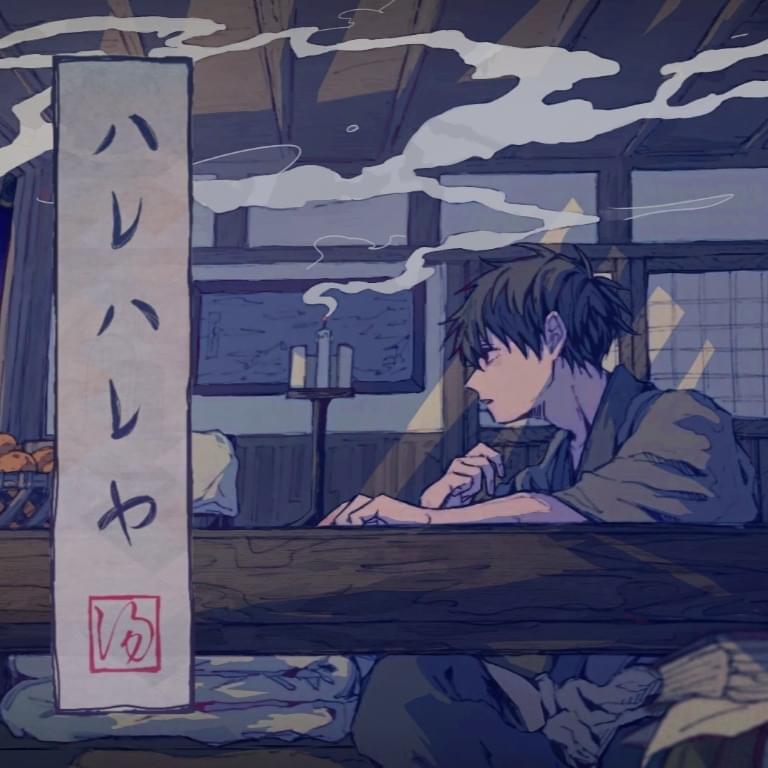
Song Meaning
The lyrics paint a stark picture of isolation and a desperate search for connection. The opening lines immediately establish a scene of someone lost and vulnerable, invited into warmth and offered respite. This initial offer of comfort, however, feels fragile, like a temporary shelter against a harsh reality.
The central tension arises from the narrator's plea to not be left alone, juxtaposed with the inevitable departure of the person they've found solace in. The repeated phrase "このまま" (konomama - like this/as it is) underscores a desire to freeze this moment of connection, a fear of the change that separation brings. The narrator clings to the present, fearing the return to their previous state of loneliness.
The imagery of snow that erases footprints and a voice that aches creates a powerful sense of transience and pain. The contrast between the "凍てつく雪" (itetsuku yuki - freezing snow) and the "確かな熱" (tashika na netsu - certain heat) within the narrator suggests a fleeting, intense moment of shared warmth. This warmth is ultimately extinguished, like the "禊の火" (misogi no hi - purification fire) being doused by rain, signifying the end of the cleansing or transformative experience.
Ultimately, the effectiveness of these lyrics lies in their raw portrayal of yearning and the quiet despair of being left behind. The narrator's final image of waiting, "袖を濡らしながら" (sode o nurashi nagara - while wetting their sleeves), is a poignant depiction of enduring sorrow. The question, "晴れた晴れた朝ぼらけ 見てるかな" (Hareta hareta asaborake miteru kana - In the clear dawn, I wonder if you're watching), leaves a lingering sense of unanswered longing.