Song Meaning
Panda Bear's "Elegy for Noah Lou" unfolds as a poignant exploration of longing and persistent searching. Stripped down to its core, the song meaning revolves around an almost desperate quest for connection and belonging. The opening lines, "Never knew my place / Looking for some loving grace," immediately establish a sense of displacement, a foundational uncertainty that fuels the entire lyrical journey. This feeling isn't simply stated; it's embodied in the repeated motif of searching – for grace, for warmth, for land, for unspoken words. The "swell of the storm" suggests an overwhelming external force, perhaps emotional turmoil or life's inherent chaos, further amplifying the need for a safe harbor. The repeated line "For you / I look for you" acts as both a mantra and a plea, the object of this search a constant, unwavering point of focus amidst the surrounding instability. But who or what is 'you'? Is it a lost love, a departed friend, or a more abstract ideal of self-acceptance?
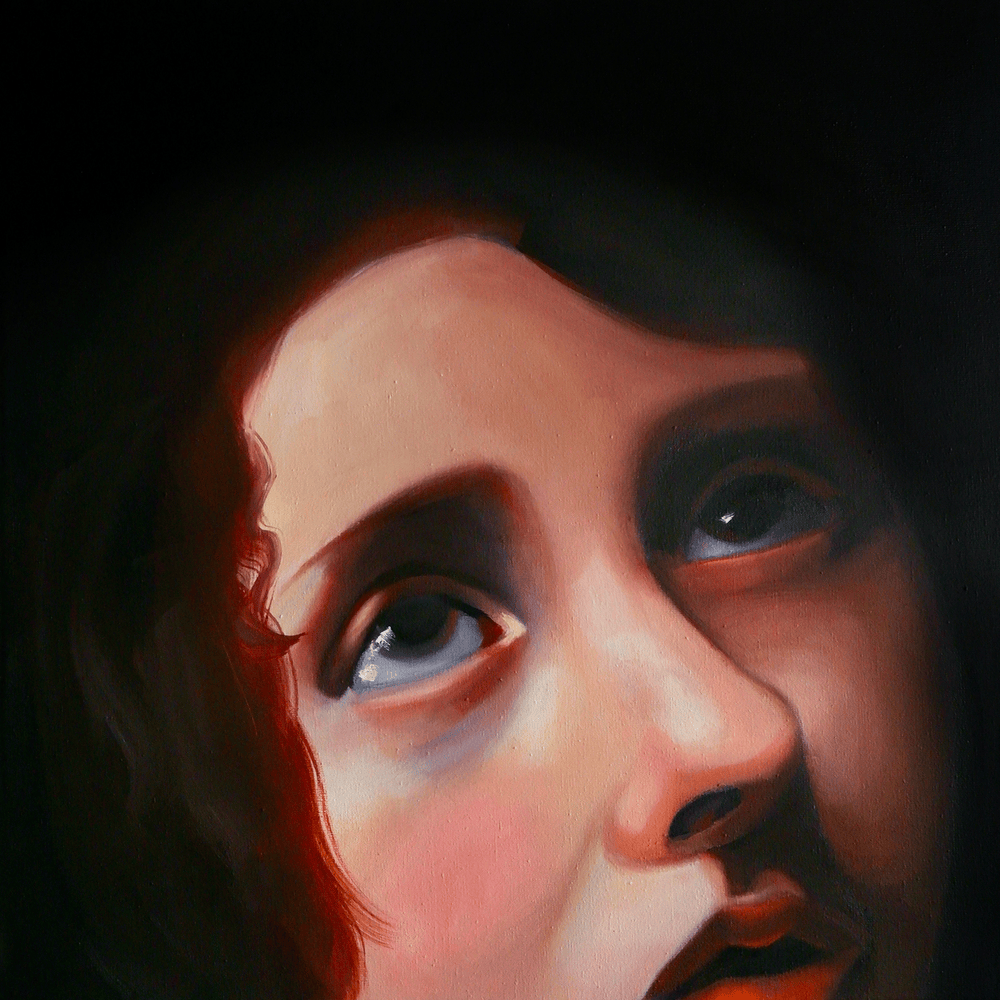
The ambiguity surrounding the object of desire – the 'you' – is precisely what gives the song its power. It allows listeners to project their own experiences of loss and longing onto the narrative. The lyrics never explicitly define the relationship, instead focusing on the act of seeking itself. This creates a universal resonance, tapping into the fundamental human desire for connection and understanding. The lines "Reading the look in your eye / Looking for something that's mine" hints at a search for validation, a desire to see oneself reflected and affirmed in the gaze of another.
As the song progresses, a subtle shift occurs. The phrase "Looking but long in the tooth" introduces a note of weariness, suggesting a protracted and perhaps futile search. The traveler metaphor implies a journey, but also the potential for exhaustion and disillusionment. Despite this hint of resignation, the persistent repetition of "For you / I look for you" underscores an unwavering commitment to the quest. "Elegy for Noah Lou" isn't necessarily a lament, but rather a testament to the enduring power of hope and the persistent human need to seek connection, even in the face of uncertainty and potential heartbreak. It's a cyclical journey, less about finding and more about the act of perpetually looking.
 View Artist