Song Meaning
The lyrics paint a stark picture of someone at a personal breaking point, addressing their "Mama" with a profound sense of disorientation and exhaustion. The narrator feels lost, misunderstood by others who perceive them as deceitful rather than simply weary. This internal struggle is amplified by the pressure of pursuing ambitious "dreams," which have seemingly led to isolation and a loss of connection with friends. The repeated plea for a "lullaby" underscores a desperate desire for comfort and a return to a simpler, safer state before facing an inevitable, unknown future.
The central tension lies in the narrator's impending departure, framed by the unsettling metaphor of a "lullaby." The chorus directly states, "'Cause I won't be here tomorrow," and "You won't see me ever again," creating a profound sense of finality. This isn't a gentle send-off; it's a farewell delivered with the starkest possible terms, suggesting a permanent absence. The juxtaposition of the comforting word "lullaby" with the grim reality of never seeing the person again is deeply unsettling, highlighting the narrator's own internal conflict and perhaps their inability to offer a more hopeful goodbye.
The most striking aspect of the craft is the direct, almost raw address to "Mama" coupled with the desperate request for a lullaby. The narrator is regressing, seeking the solace of childhood comfort in the face of overwhelming adult pressures and a perceived inability to continue. The raw language like "goddamn fucking dreams" injects a visceral frustration, contrasting sharply with the tender image of a lullaby. This contrast emphasizes the immense weight of their current reality, where even the pursuit of aspirations feels like a burden leading to exhaustion and a desire to escape.
What makes these lyrics hit so hard is their unflinching portrayal of despair and the feeling of being utterly alone, even when reaching out for help. The narrator's exhaustion is palpable, and their plea for a lullaby before an irreversible departure suggests a surrender to an overwhelming force, whether internal or external. The lyrics capture a moment of profound vulnerability, where the familiar comfort of a childhood song becomes the only perceived refuge from a future that promises only absence.
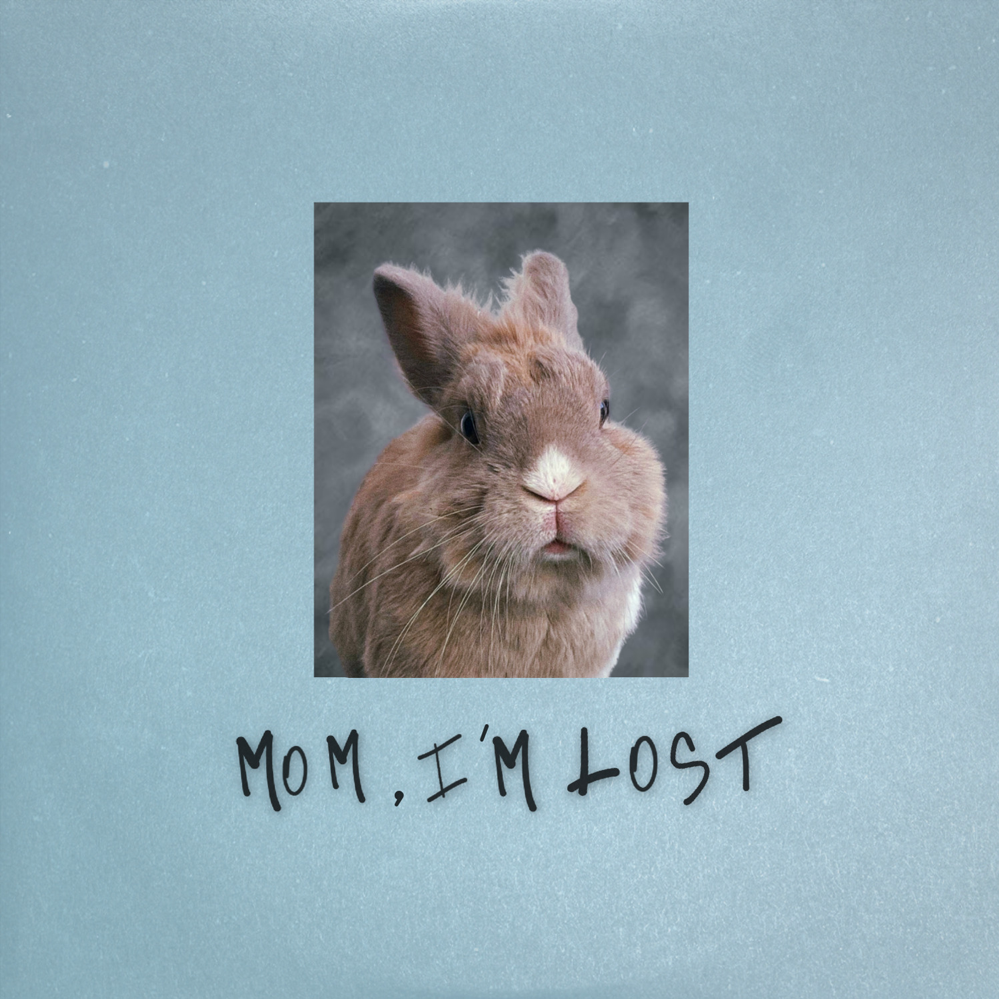
 View Artist