Song Meaning
The narrator is trapped in a suffocating environment, feeling utterly out of place and controlled. They express a desperate desire for escape, not through help, but through complete erasure. The opening lines paint a picture of self-inflicted pain and a refusal to conform: "Press my face in the dirt" and "Pour some salt in my wounds" suggest a willingness to endure suffering to assert agency, even if that agency is simply the choice to not fit in. The repeated question, "How can I smile with your gun to my head?" powerfully conveys a sense of external coercion and the impossibility of genuine happiness under such duress.
The core tension lies in the narrator's rejection of external salvation. They are "tired of everyone who's trying to save me," preferring to "drown on my own" rather than accept unwanted aid. This isn't about seeking comfort; it's about reclaiming a sense of control, even if that control leads to self-destruction. The lyrics explicitly state, "I'll rather put the gun to my head" than accept the offered relief, highlighting a profound despair and a defiance that borders on nihilism.
The most striking element is the stark contrast between the external attempts to "save" the narrator and their internal plea to "fade away." The imagery of a "gun to my head" and the narrator's own willingness to embrace it underscores a deep-seated feeling of being trapped and damned. The line, "The fire in my soul is slowly dying," coupled with "You know my destiny calls my name," suggests an acceptance of a predetermined, bleak future that they no longer have the will or the means to fight against, except by ceasing to exist.
This lyrical construction is effective because it taps into a raw, visceral feeling of being overwhelmed and misunderstood. The simple, repetitive chorus "Fade away" acts as a mantra for this profound exhaustion and desire for oblivion. The lyrics don't offer solutions; instead, they articulate the crushing weight of external pressure and the internal surrender that can follow, making the narrator's desperate wish for disappearance palpable and their rejection of help feel intensely real and deeply resonant.
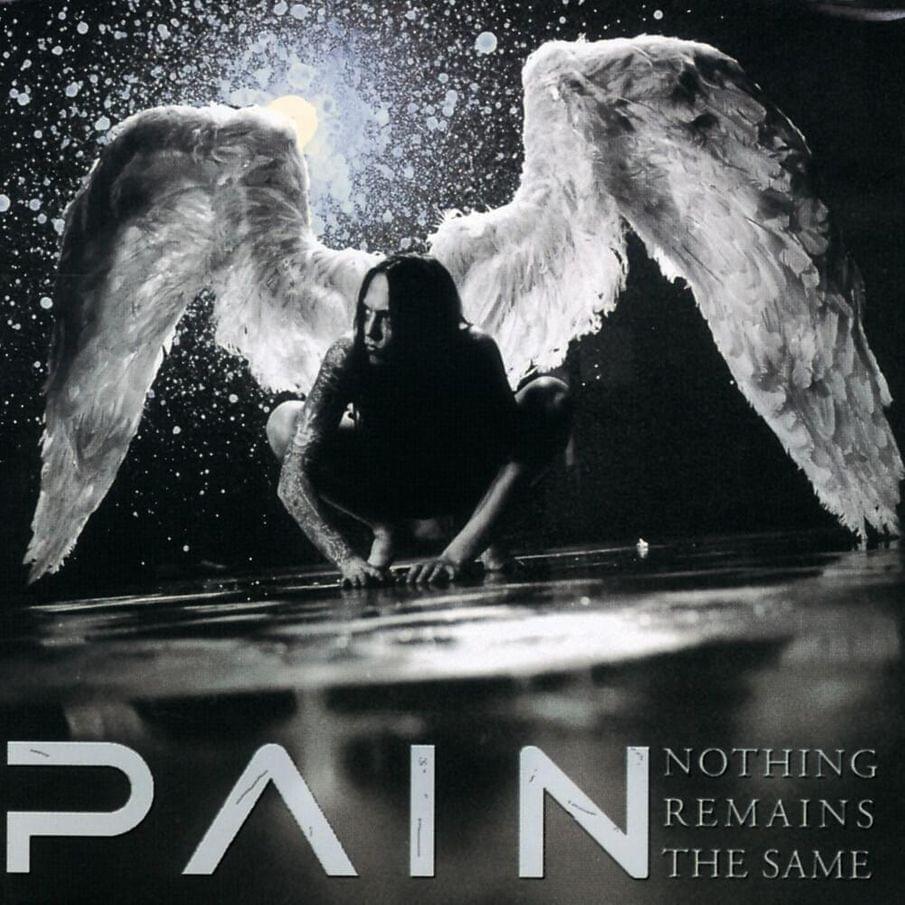
 View Artist