Song Meaning
The lyrics paint a vivid, almost romanticized picture of a gritty urban landscape, contrasting its harshness with moments of personal connection and anticipation. The opening lines establish a sense of place and memory, with key romantic encounters happening against industrial backdrops like the "gas yard wall" and "factory wall." This juxtaposition immediately sets up a tension between the mundane, perhaps even unpleasant, environment and the deeply personal, dreamlike experiences occurring within it. The repetition of "Dirty Old Town" acts as a constant anchor, grounding these intimate moments in their specific, unvarnished setting.
The narrative then shifts to sensory details that further define this "dirty old town." The "siren from the docks" and a "train set the night on fire" evoke a sense of industrial activity and perhaps danger, while the "smoky wind" carries the unexpected scent of "spring." This olfactory detail is particularly striking, suggesting that even in this seemingly bleak environment, signs of renewal and life persist. The imagery of "spring's a girl on the streets at night" personifies the season, imbuing the town with a restless, alluring energy that mirrors the narrator's own burgeoning desires or intentions.
The most striking turn comes with the narrator's declaration to "make a big sharp axe" and "chop you down like and old dead tree." This sudden, violent imagery, especially after the tender romantic moments and the hopeful scent of spring, creates a powerful emotional dissonance. It suggests a deep-seated frustration or a desire for radical change directed at the town itself, or perhaps a symbolic representation of overcoming obstacles. The "shining steel tempered in the fire" speaks to a deliberate, forceful act of transformation, contrasting sharply with the passive observation of the town's atmosphere.
Ultimately, the effectiveness of these lyrics lies in their ability to hold opposing forces in balance. The raw, industrial setting is not just a backdrop but an active participant, shaping and being shaped by the narrator's experiences. The repeated refrain of "Dirty Old Town" becomes less of a simple description and more of an affectionate, albeit complex, embrace of a place that is both harsh and the site of profound personal meaning. The lyrics capture a feeling of being deeply rooted in a place, even as one harbors desires to either destroy or fundamentally alter it.
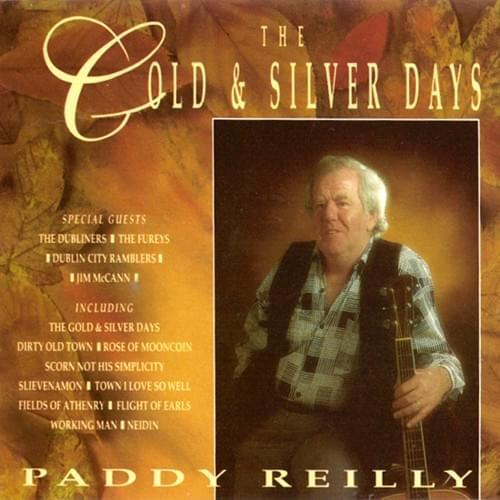
 View Artist