Song Meaning
The lyrics paint a picture of persistent, almost predatory desire, focused on someone who is currently unavailable. The narrator states plainly, "No te pude ver / Cuando eras soltera," establishing a past opportunity missed. This sets up a determined, future-oriented pursuit, with the narrator vowing, "Mas de casada / Te encontraré."
The central tension lies in this unwavering focus on a person who is now married, highlighting a disregard for their current status. The narrator's intent is explicit and invasive: "Te desnudaré." This desire is framed around a specific, clandestine timing, "Cuando en la noche / Las doce den," suggesting a clandestine, potentially illicit encounter.
The craft here is direct and stark, relying on simple declarative statements and a clear, albeit unsettling, narrative arc. The contrast between the past missed opportunity and the determined future pursuit, even after marriage, creates a sense of relentless fixation. The phrase "Casada y romera" adds a layer of complexity, hinting at a potentially promiscuous or adventurous nature of the target, which might fuel the narrator's resolve.
What makes these lyrics impactful is their blunt portrayal of obsession and intent. The lack of complex metaphor or emotional nuance forces the listener to confront the raw, unvarnished desire and the narrator's almost transactional view of the pursuit. It’s the starkness of the vow, set against the backdrop of a forbidden situation, that gives the short passage its unsettling power.
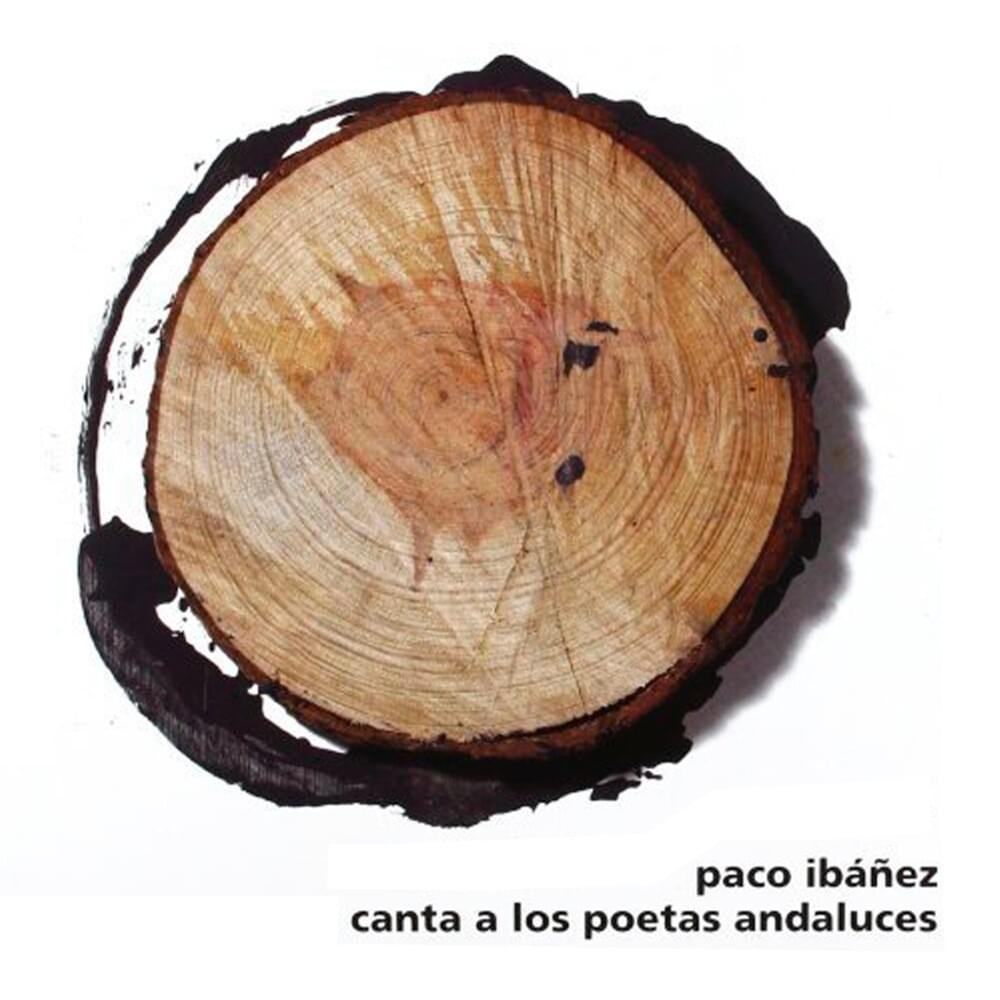
 View Artist