Song Meaning
The lyrics paint a picture of someone struggling financially, described as "mahirap na ang pera" (money is already hard to come by), yet still indulging in expensive habits like drinking ("toma") and partying ("pa-jeprox"). This person is also depicted as being involved in questionable activities, like being a "gayot" (a slang term implying being a gigolo or someone who lives off others) and engaging in deceitful behavior ("nanggagantso pa") despite having a family and a history of problems. The contrast between their financial hardship and their continued spending, alongside their moral failings, sets up a clear tension.
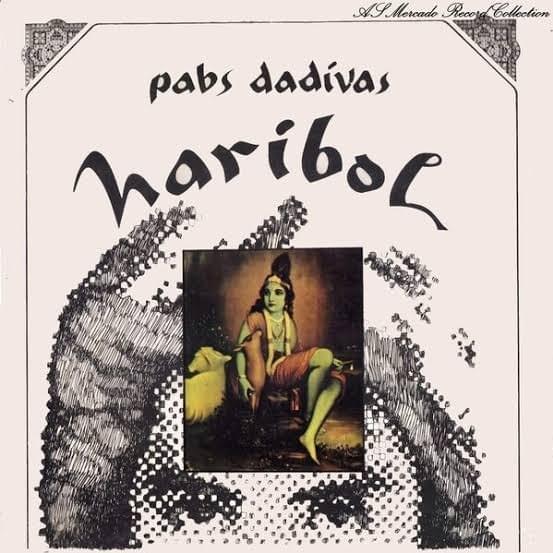
The central conflict arises from the narrator's direct address to this individual, offering a stark piece of advice: "Wala kang gagawin kundi awitin ito" (You have nothing to do but sing this). This suggests a path of redemption or at least a distraction from their current destructive lifestyle is found in chanting the Hare Krishna mantra. The repeated invocation of "Hare Krishna" and "Hare Rama" acts as a sonic anchor, a constant reminder of this proposed solution amidst the description of the person's chaotic life.
The most striking aspect of the craft is the juxtaposition of the spiritual mantra with the gritty, colloquial descriptions of vice and deceit. Phrases like "mahilig ka sa bomba" (fond of bombs, implying trouble or risky behavior) and "nangchi-chicks ka pa" (still checking out girls) are grounded in everyday Filipino slang, making the spiritual message feel less like an abstract concept and more like a direct, almost exasperated plea. The repetition of "Hare Krishna Hare Krishna Haribol" at the end, especially, hammers home the intended message, a sonic mantra meant to cut through the noise of the described lifestyle.
This lyrical approach is effective because it grounds spiritual advice in a very real, albeit unflattering, portrayal of a person's struggles and bad choices. The directness of the language, combined with the insistent repetition of the mantra, creates a sense of urgency. It’s not just about the words; it’s about the sound and the implied rhythm of chanting as a way to find solace or a new direction when one's current path is clearly unsustainable and harmful.
 View Artist