Song Meaning
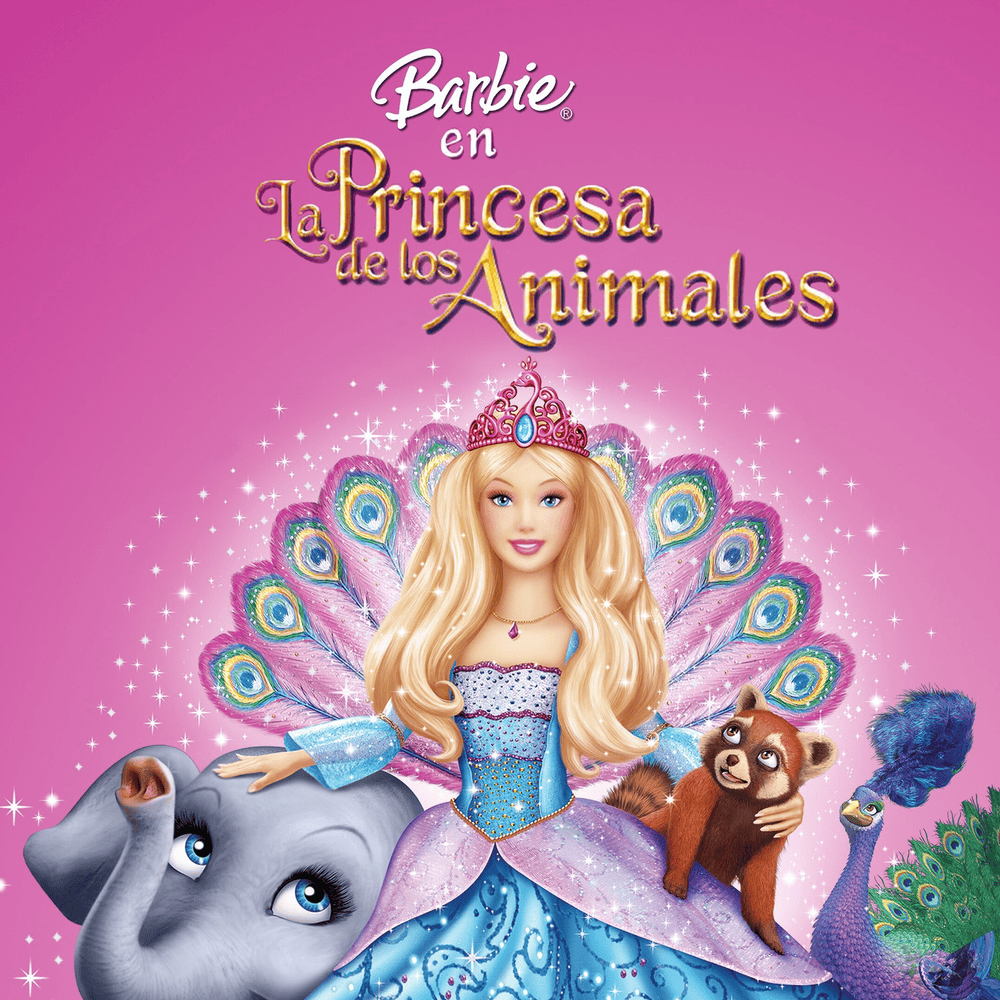
The lyrics paint a vivid picture of discovery and the unknown, contrasting the initial wonder of finding a new island with the hesitant reactions of its inhabitants. Prince Antonio's opening verses establish a tone of eager exploration, describing the allure of a "blue island" after a long journey. He anticipates a world of "golden sand and high skies," filled with potential for learning and experiencing new things, suggesting a profound sense of arrival and opportunity.
The dynamic shifts dramatically with the interjections from Tika, Sagi, Azul, and Ro. Their fragmented lines, "It has no trunk," "It barely roars," and "It's not a fish," create a sense of confusion and perhaps fear. They seem to be describing something unfamiliar, possibly the arrival of Prince Antonio himself or something he represents, which doesn't fit their established categories of creatures. This creates a tension between the explorer's optimistic anticipation and the locals' bewildered apprehension.
The craft here lies in the stark contrast between Antonio's expansive, hopeful language and the locals' short, descriptive, and fearful interjections. The repeated questioning and negation ("No tiene," "No es") highlight their struggle to categorize the unknown. Tika's suggestion to "close your eyes and it will leave" reveals a coping mechanism of avoidance, while Ro's "This will not always be seen" hints at the transient nature of such encounters or the potential for the unknown to disappear or be ignored.
This juxtaposition makes the lyrics effective by capturing the universal experience of encountering the unfamiliar. The initial excitement of discovery is immediately tempered by the reality of how that discovery might be perceived by those already present. The lyrics suggest that the 'blue island' and its wonders are not just a physical place but also a space of interaction, where anticipation meets apprehension, and the new must contend with the established.
 View Artist