Song Meaning
The lyrics confront the idealized notion of a "perfect society," immediately rejecting the label and attributing its flaws to the very people who created and shaped it. The narrator asserts that any negative feelings derived from this society stem directly from human actions and intentions. It’s a pointed observation that perfection is a human construct, and therefore, inherently imperfect.
The central tension arises from the contrast between the ideal envisioned by some and the reality shaped by collective human effort and change. Those who birthed and idealized this society now lament its deviation from their original vision, yet the lyrics suggest that change and adaptation, even if painful, are necessary for survival. This struggle between past ideals and present realities fuels the emotional core of the piece.
A striking element is the depiction of convergence in suffering: "El extremista y el cobarde / Van convergiendo en su dolor." This suggests that even opposing viewpoints or actions can lead to a shared sense of disillusionment within this imperfect system. Meanwhile, the "resto con amor / Trabaja porque se le hace tarde" highlights a proactive, perhaps more grounded, group working against the ticking clock, implying a race against the decay of the idealized vision.
What makes these lyrics resonate is their unflinching gaze at collective responsibility and the bittersweet nature of progress. The assertion that "El falso no tiene valor / El verdadero sigue su viaje" offers a subtle distinction between superficiality and genuine contribution, grounding the critique in a call for authenticity. It’s a powerful reminder that societal structures are fluid, shaped by the ongoing, imperfect efforts of humanity.
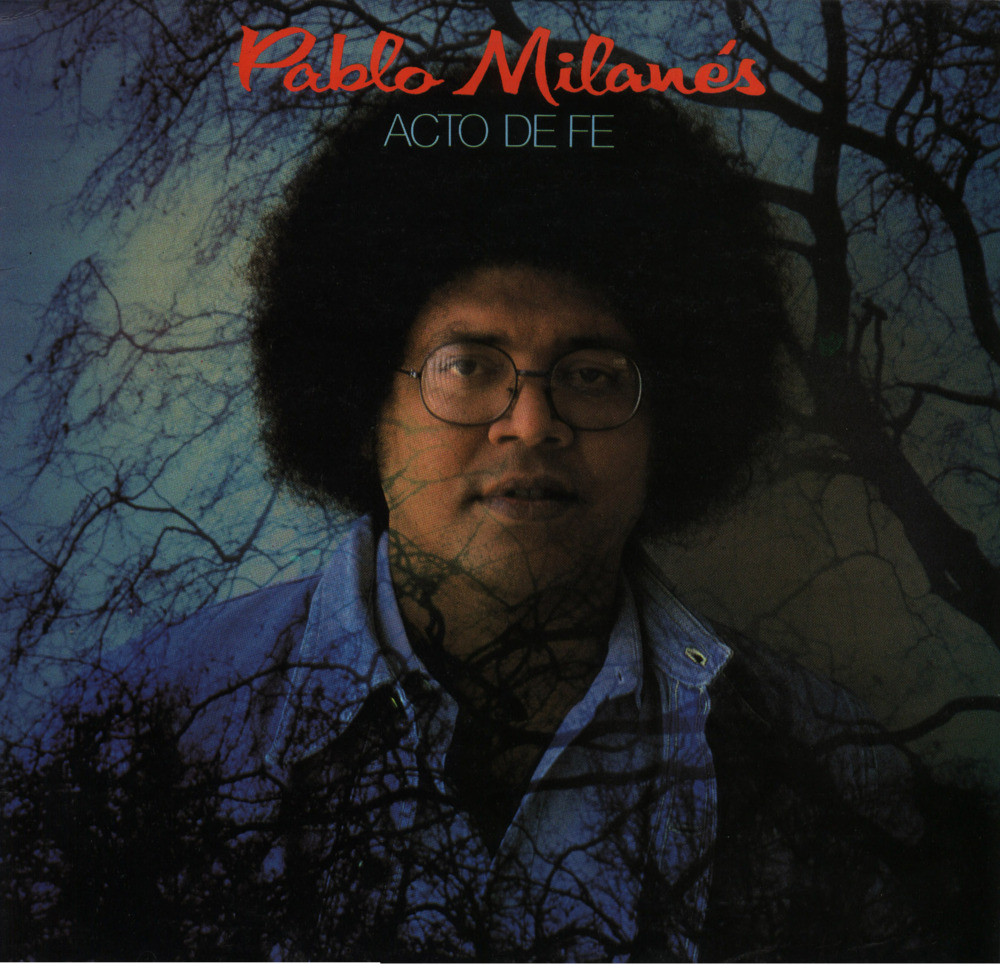
 View Artist