Song Meaning
These lyrics plunge into the raw, immediate experience of a profound new connection. The speaker describes an absolute surrender, declaring, "Llegaste a mi cuerpo abierto / Y yo todo me entregué." This initial vulnerability sets a tone of intense emotional exposure. It's a moment where joy and sorrow intertwine, acknowledging the inherent emotional cost of such deep engagement.
The core tension emerges from a striking paradox: "romper es comienzo / Comenzar es desacierto." This suggests that new beginnings often involve a kind of breaking, and that starting anew inherently carries risk or even a misstep. Despite this, the speaker expresses an unwavering determination, vowing, "aunque me hunda hasta el fango / Caminaré largo trecho." There's also a sharp, almost cynical observation that "Amor que encierra perdones / Mal tiene que terminar," hinting at a past wisdom or a critical stance on conditional affection.
A powerful craft element is the speaker's active pursuit of authenticity. The repeated phrase "Me empeño" emphasizes a deliberate effort to truly see the beloved, stating, "Me empeño en verte reír / Para conocerte plena." This isn't passive love; it's a commitment to understanding and celebrating the other's complete self. The lyrics suggest a belief that "amor y belleza van / Contra las malas ideas," positioning this connection as a force for good against negativity.
Ultimately, these lyrics are effective because they articulate a profound appreciation for love, even when acknowledging its fragility. The speaker expresses deep gratitude for the experience, admitting, "Nunca pensé que así amara." The concluding lines offer a hard-won wisdom: "Vale más, poco con ganas / Que mucho, sin ser querido." This powerful statement champions the quality and genuine desire within a relationship over its mere duration or perceived quantity, leaving the listener with a resonant truth about what truly matters in affection.
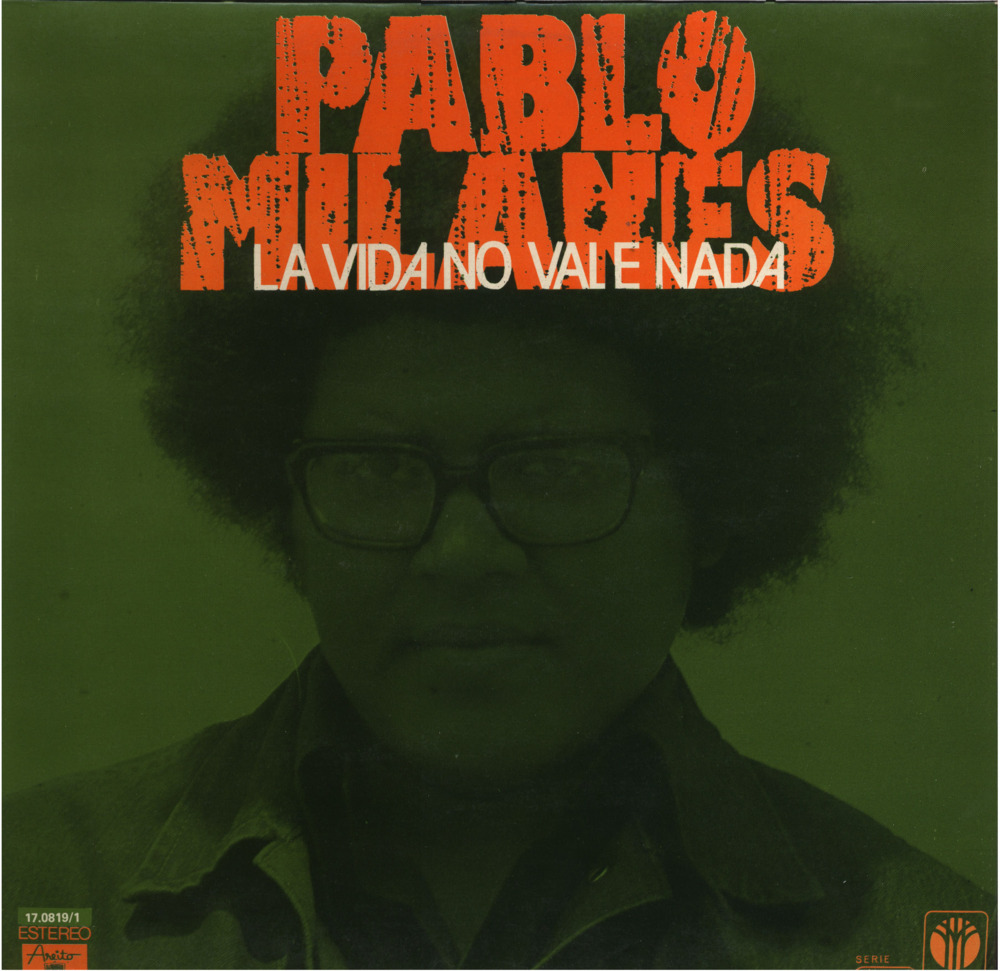
 View Artist