Song Meaning
The lyrics paint a stark picture of absence, opening with a mournful question: "¿Dónde están los amigos que tuve ayer?" The narrator grapples with the sudden disappearance of a vibrant circle of friends, each with distinct talents and personalities. This isn't just a casual loss; it's a profound disorientation, a severing of connections that defined the narrator's sense of self and belonging. The repetition of "¿Qué les pasó?" and "¿A dónde fueron?" underscores a desperate need for answers, a bewilderment that borders on disbelief.
The core tension lies in the narrator's profound loneliness and the existential crisis it triggers. The friends weren't just companions; they were integral to the narrator's identity, a source of shared humanity and mutual affirmation. The desire to "saber / Que soy humano / Que vivo y siento por mis hermanos" reveals that this loss strips away not only social connection but also a fundamental sense of being alive and connected to others. The implication is that without these bonds, the narrator feels diminished, questioning their own existence.
The specificity of the friends' descriptions – Pepe the carpenter, Juan the inventor, Hildita the conductor, Vladimir the businessman, Tomás the painter – creates a vivid tapestry of a lost community. These aren't abstract figures; they are individuals with unique contributions and even political leanings (Vladimir's liberal stance). The contrast between their vibrant past presence and their current, unexplained absence is jarring. The final, desperate wish to "Verlos conmigo aquí / Morir" is a powerful testament to the depth of this loss, suggesting that even in death, the narrator craves their presence, highlighting an ultimate desire for shared experience.
This lyrical lament is effective because it grounds abstract feelings of loss and existential dread in concrete, personal details. The direct address and the simple, repetitive questions create an intimate, almost conversational tone, drawing the listener into the narrator's sorrow. The specificity of the friends’ roles and the raw emotional plea at the end make the narrator's isolation palpable, transforming a personal tragedy into a universal reflection on the fragility of human connection and the pain of separation.
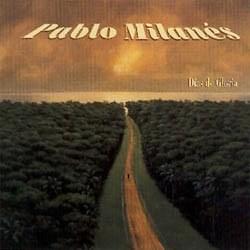
 View Artist