Song Meaning
The lyrics paint a vivid picture of lost time and faded glory. The narrator reflects on a past filled with vibrant experiences, now gone "flying" without them even noticing. This sense of irretrievable loss is palpable, leaving only memory to sustain them.
The central tension arises from the contrast between a past of "glorious days" that "opened windows" and brought joy, and a present haunted by "ghosts" and "false promises." The narrator feels disconnected from their former self, lamenting the loss of specific, cherished elements like their "yagruma" (a type of tree), their "hummingbird," and their "guitar." These losses are not just material; they represent a deeper forfeiture of vitality and connection, including the loss of a significant "you."
The most striking aspect is the recurring motif of "días de gloria" (glorious days) being let go. The lyrics suggest a passive surrender, a feeling of being unable to hold onto what was once vibrant and life-affirming. The imagery of "bruma" (mist) where speech and connection are lost powerfully conveys this disorientation and fading away. The past is described as having "closed waits" and "opened windows," a complex metaphor suggesting that while the glorious days brought opportunities, their passing has also allowed old sorrows to enter the future.
This writing is effective because it grounds abstract feelings of regret and nostalgia in concrete, evocative images. The specific losses – the tree, the bird, the guitar – make the narrator's sense of diminishment deeply relatable. The gentle, almost melancholic tone, coupled with the direct address of "we let them go," creates a shared sense of wistful reflection on time's passage and the choices that lead to its slipping away.
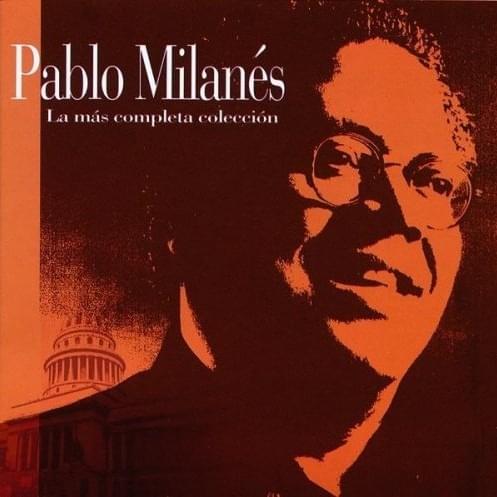
 View Artist