Song Meaning
Pablo López's "Se Busca" doesn't just search for a person; it dissects the anatomy of desire and self-preservation in the face of judgment. The song's core concept, built around a wanted poster, immediately casts the subject as an outlaw, a rebel against conventional expectations. But what are these crimes? López's lyrics reveal them to be acts of autonomy: daring to live, kissing without fear, loving without self-condemnation, and, perhaps most damningly, being unavailable to the pursuer. This framing exposes the vulnerability of the accuser, transforming the 'wanted' individual into a symbol of liberation. The phrase "Se busca una persona sospechosa de jugar con ciertas cosas que te pueden lastimar" initially suggests malevolence, but quickly morphs into a defense against emotional manipulation.
The recurring lines, "Y tu no me conoces todavía / Si quisiera mas lo robaria / De un sueño / De todo lo que veo y sólo miras / No puedes ponerle trampas a ese corazón," serve as a defiant mantra. López asserts his unknowability, his capacity to seize what he desires directly from the realm of dreams, a place where the accuser can only observe passively. This heart, the target of the 'search,' is presented as uncontainable, immune to the traps laid by those who seek to control or define it. The repeated emphasis underscores the futility of trying to confine a spirit that values freedom and authentic experience above all else.
Ultimately, the song meaning of "Se Busca" transcends a simple tale of romantic pursuit. It becomes a broader commentary on the societal pressures to conform and the courage required to resist them. López uses the metaphor of the 'wanted' individual to celebrate those who embrace their unconventionality, who refuse to be defined by the expectations of others, and who dare to live according to their own terms, even if it means being branded as 'suspicious' or 'dangerous' by those who fear their own limitations. The song implies a power dynamic, where the 'wanted' person holds the real power by daring to live authentically, while the pursuer is trapped by their own expectations and judgments. The lyrics cleverly invert the traditional narrative of the hunted, positioning them as the truly free individual.
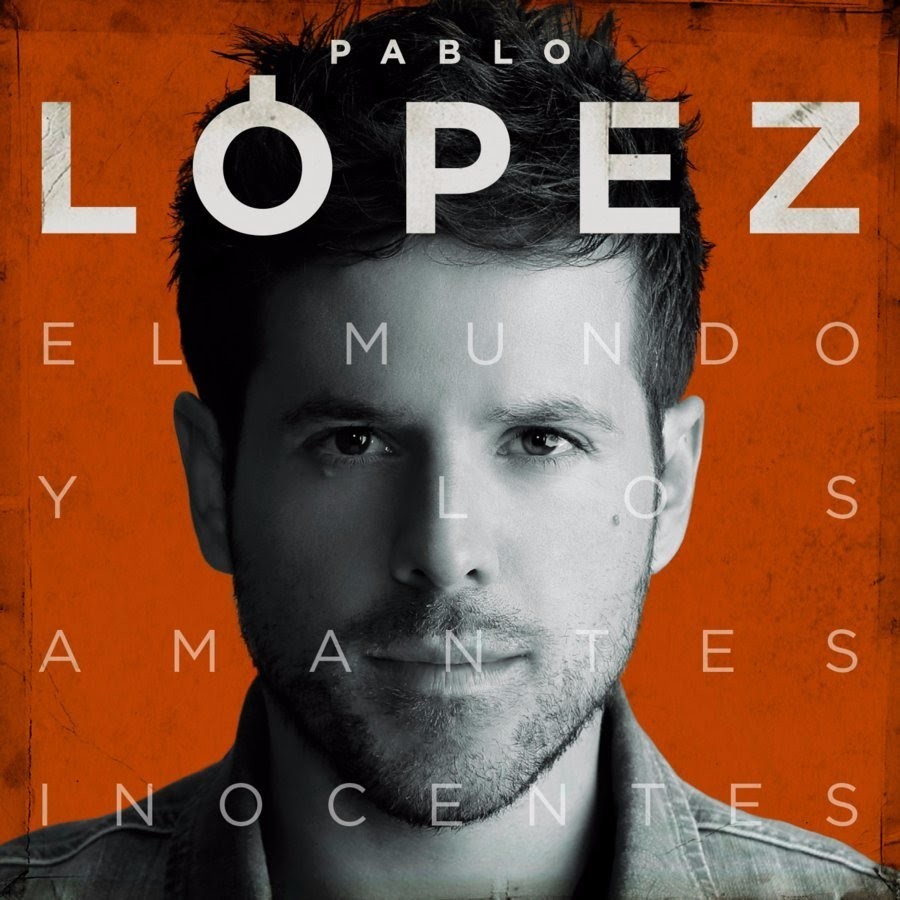
 View Artist